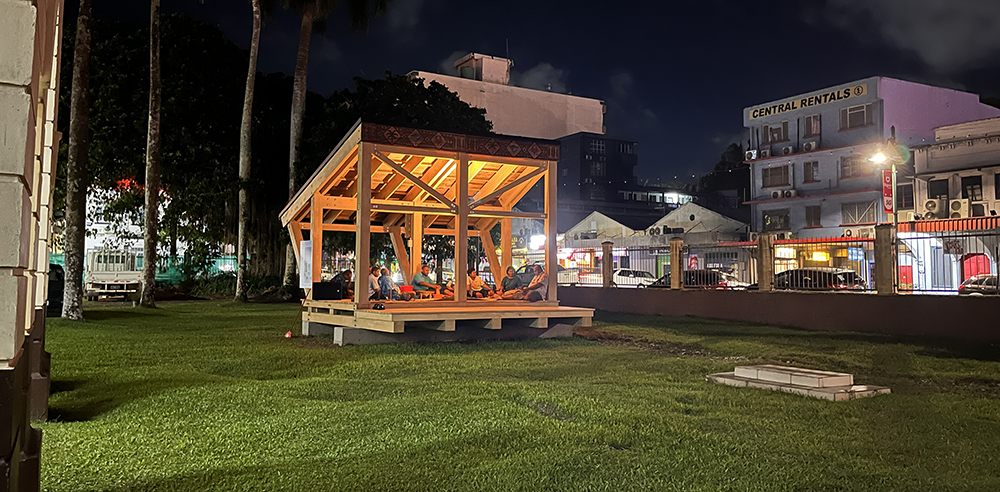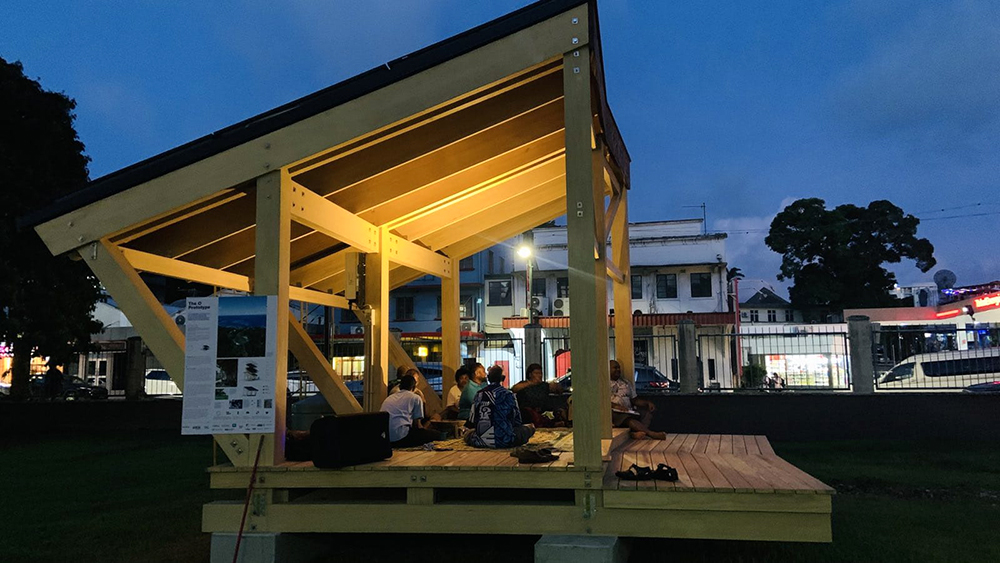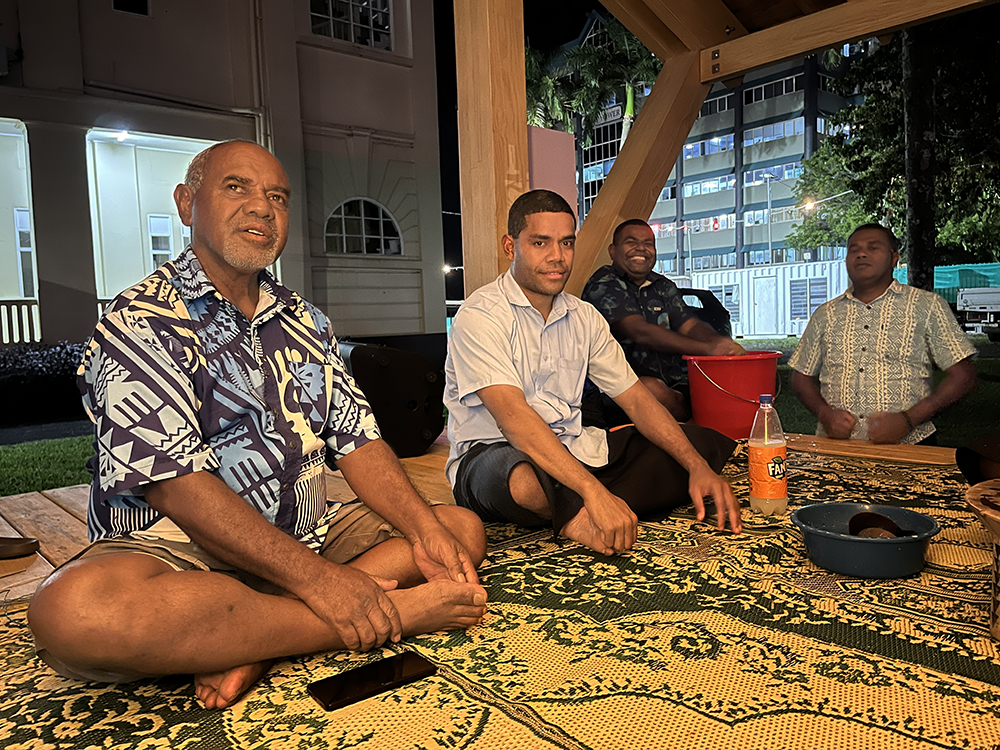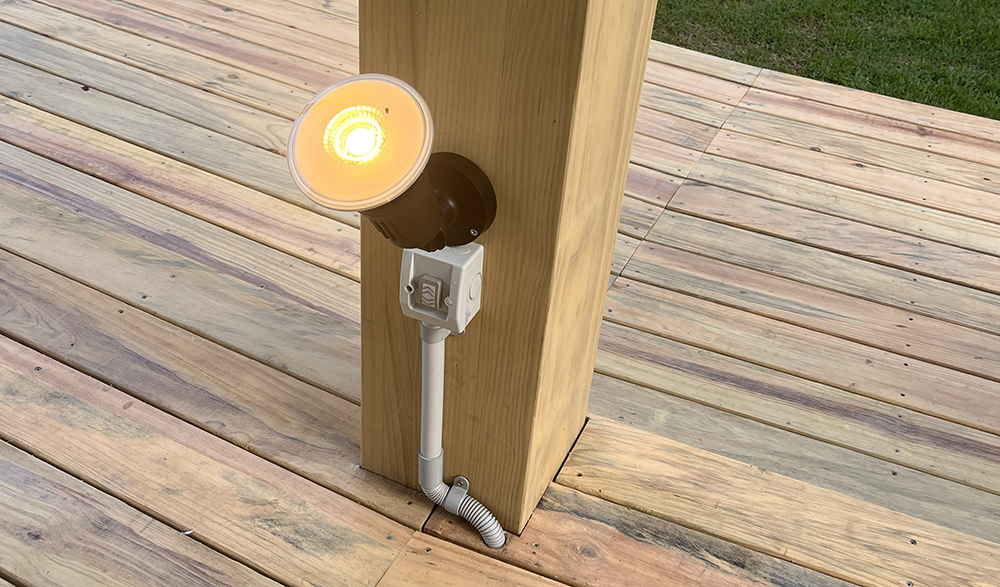
Congratulations to Young Kang and Alberto Roncelli for successfully delivering functioning prototypes of their LAGI 2025 Fiji design proposals. Here are some photos that we took from the week. You can learn more about both of their projects in this earlier post. We’ll be making the announcement of the Stage 2 winner next week so stay tuned!
Ligavatuvuce
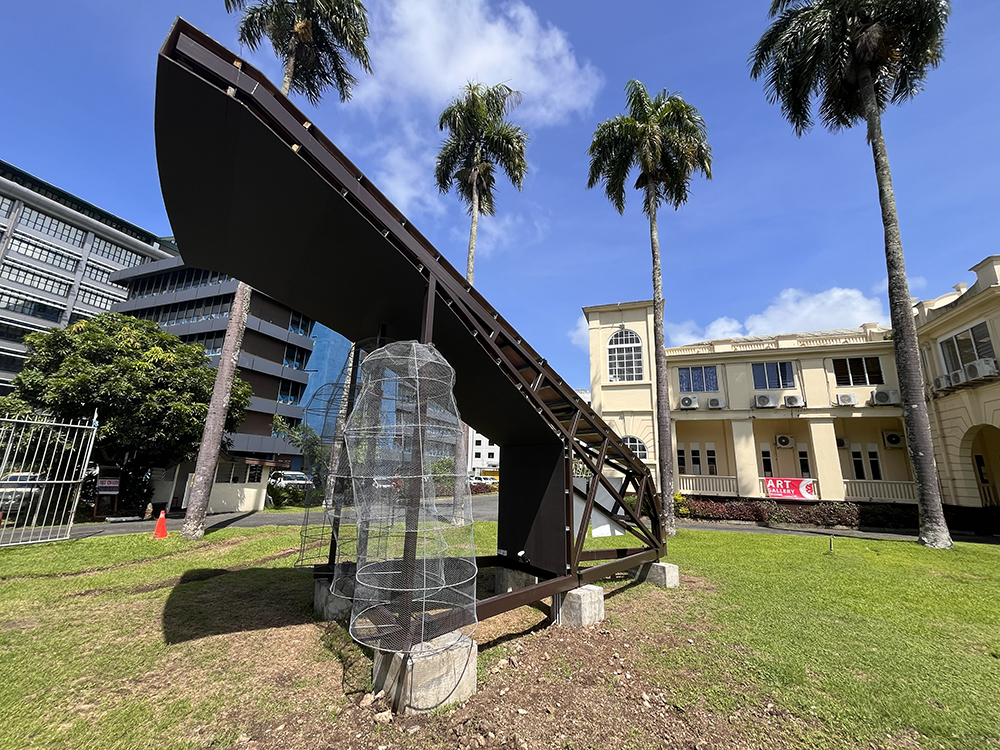
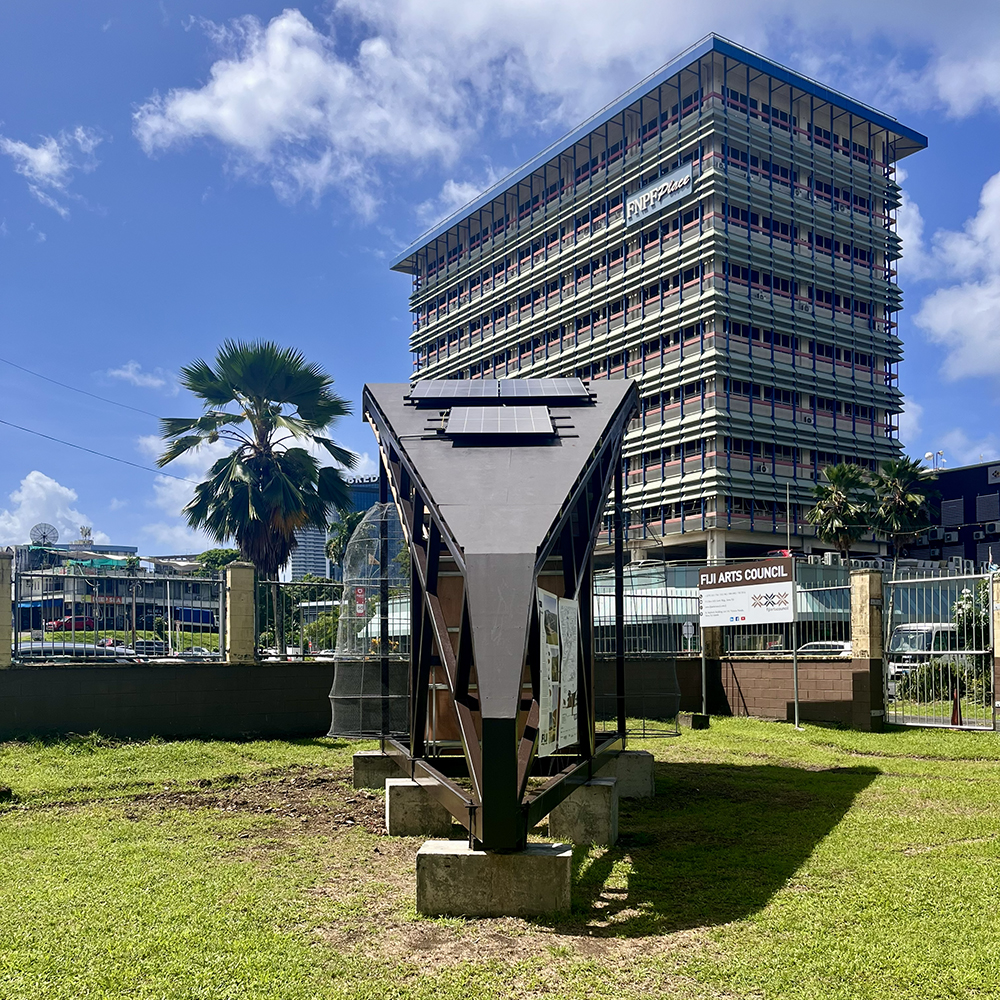
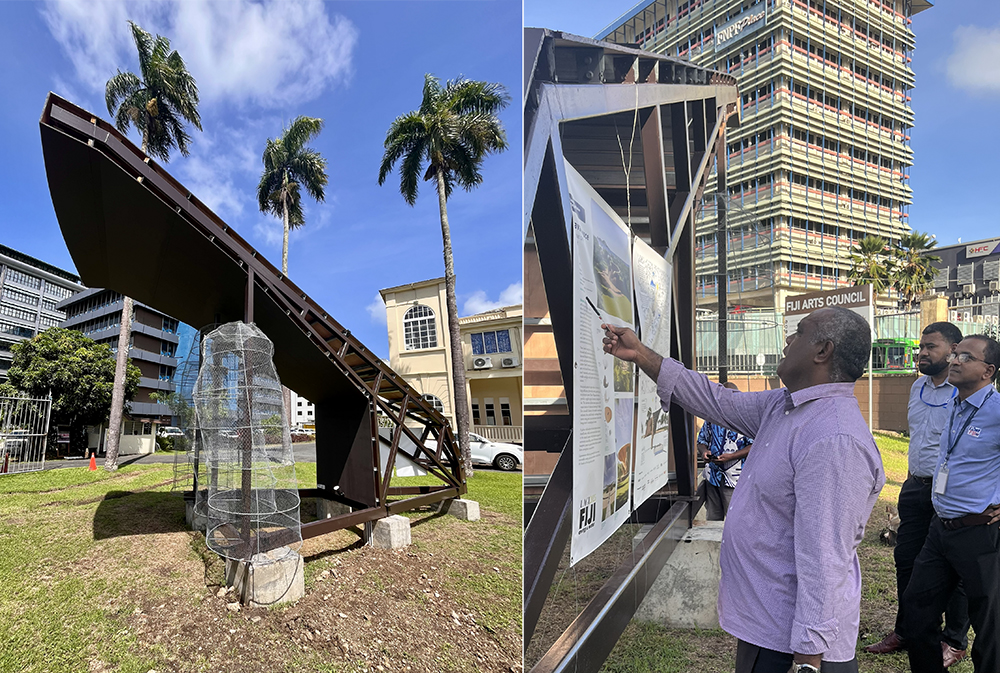
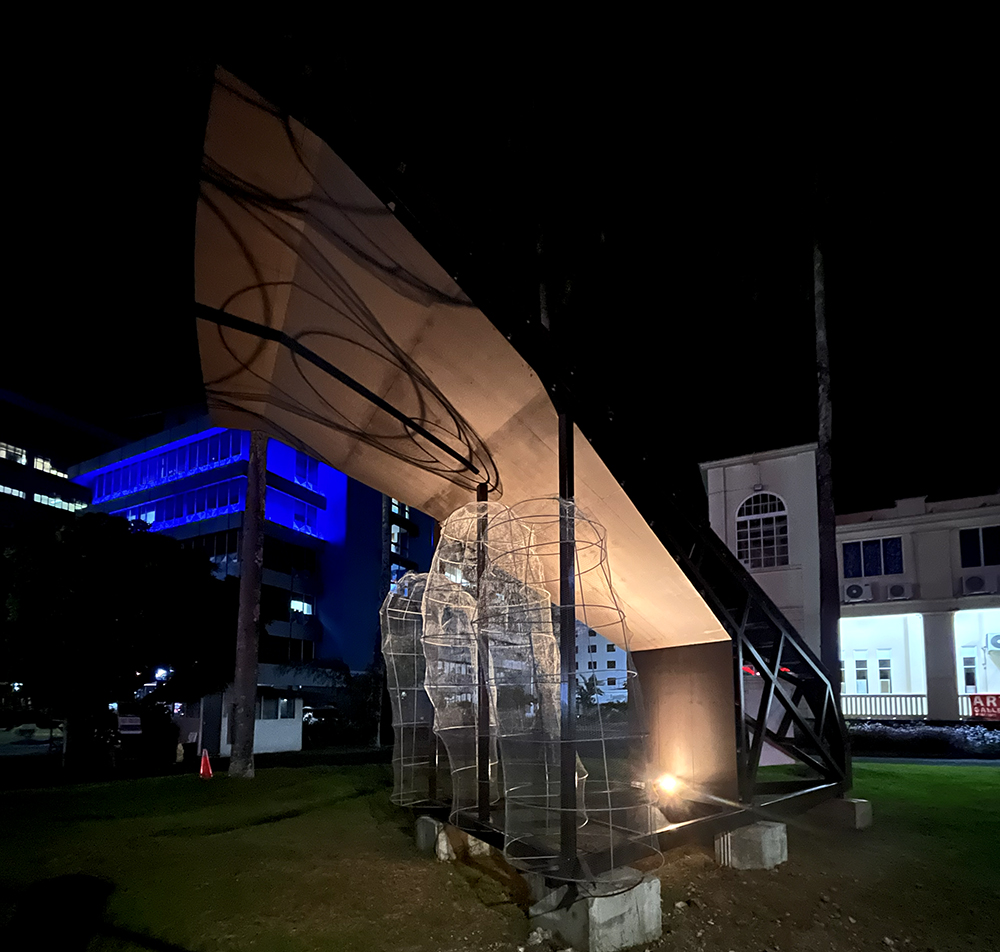
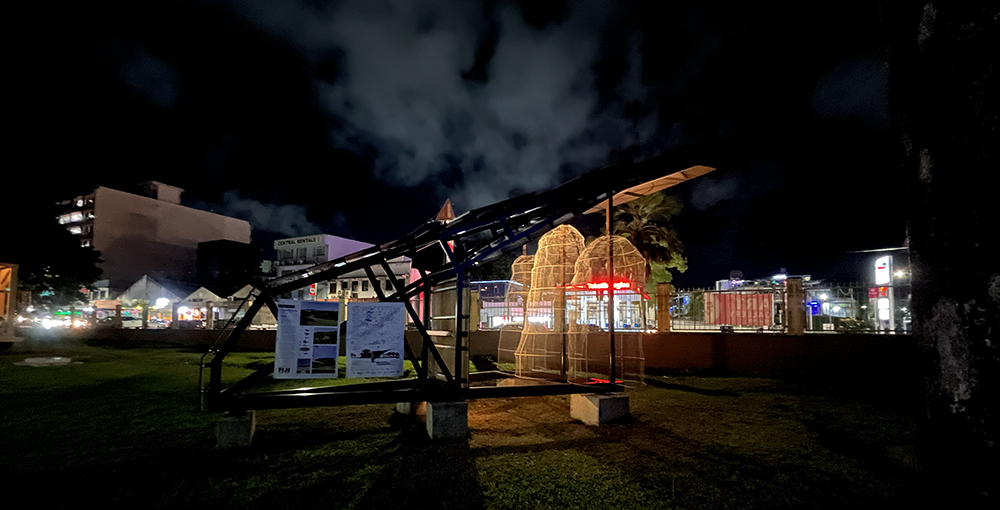
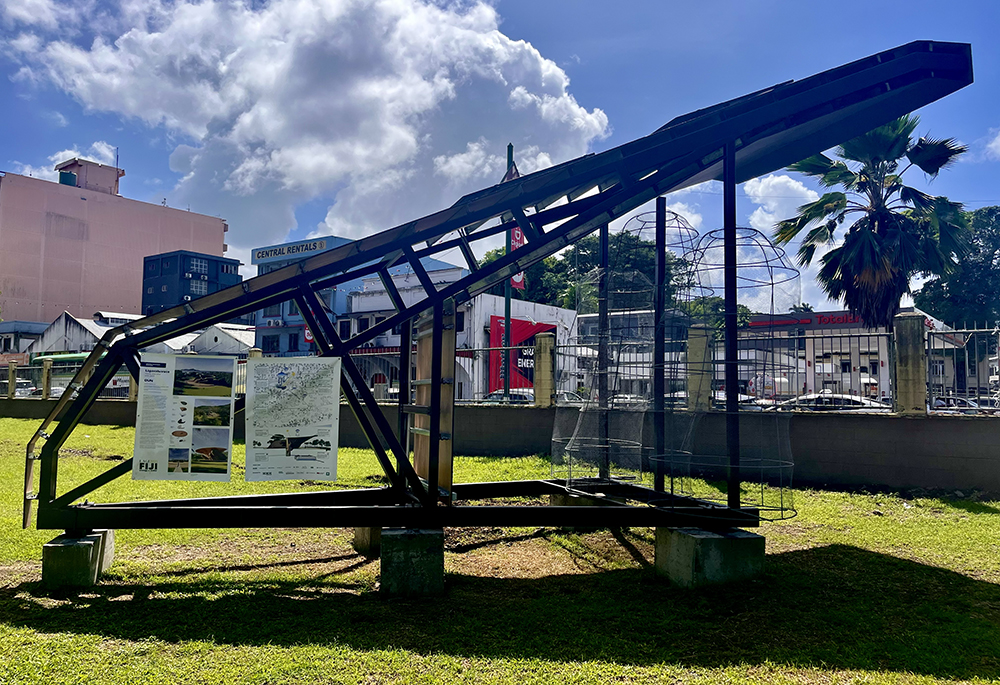
Young Kang is the designer behind Ligavatuvuce. His prototype at 60% scale shows how the truss system will support the large representation of a kava bowl. Solar modules will line the interior of the bowl for a east, north, and west-facing solar exposure to ensure smooth power generation throughout the day. Rising from the landscape as a gesture of open palms offering yaqona (kava), Ligavatuvuce (“Hands that Offer and Uplift”) is a sculptural system of solar energy, rainwater harvesting, and cultural gathering. Drawing from Fijian tradition and local craftsmanship, and built collectively, the structure generates 120 MWh of electricity and provides 4.5 million liters of water annually, while creating a shaded ceremonial space that supports both community life and sustainable tourism in Marou Village.
The O
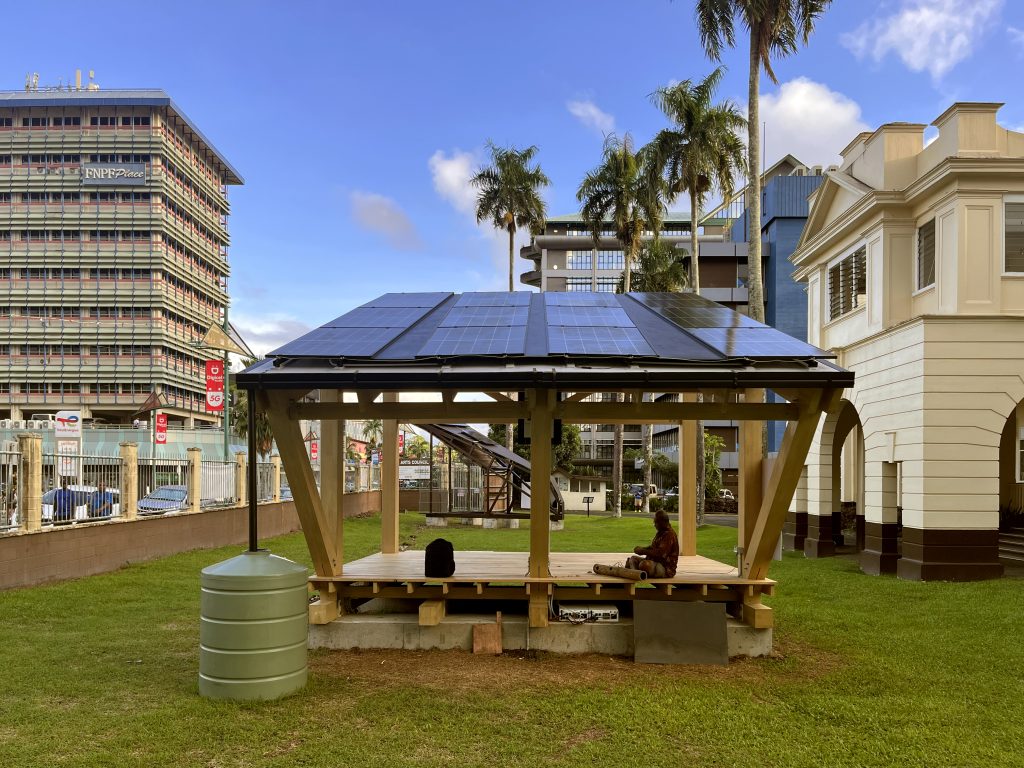
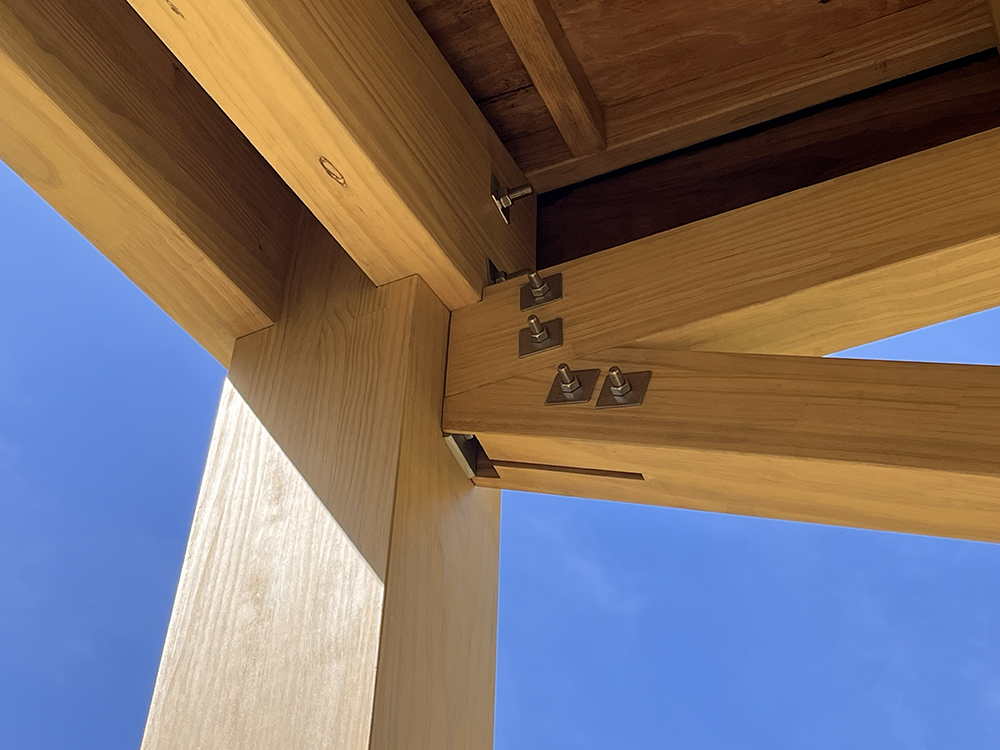
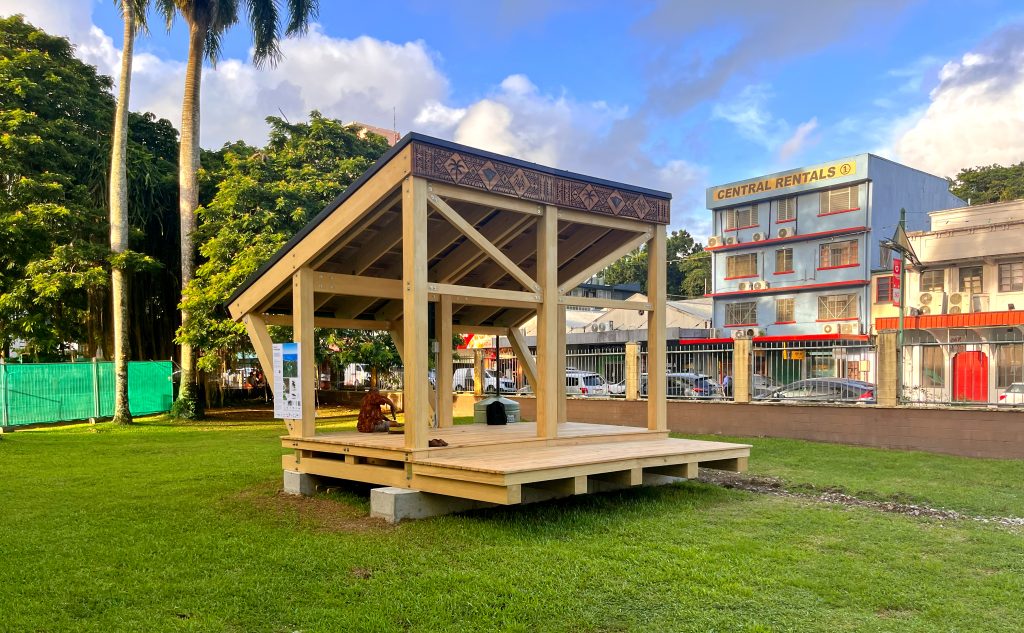
Alberto Roncelli is the designer behind The O. His prototype at 100% scale demonstrates two of the 52 bays that will form a complete circle, demonstrating the engineered wood structure and housing 12 solar modules. The O is a solar-powered pavilion that unites clean energy, rainwater harvesting, and cultural gathering beneath a 40-meter-wide timber canopy. Merging spatial harmony with community resilience through collaborative design, the installation generates 150 MWh of electricity and 1.2 million liters of filtered water annually while providing a flexible public space for Marou Village. The beautiful hand carved beam on the prototype is by local Fijian artist Sonny from Yanuyanu Art and represents the symbols of Marou Village.
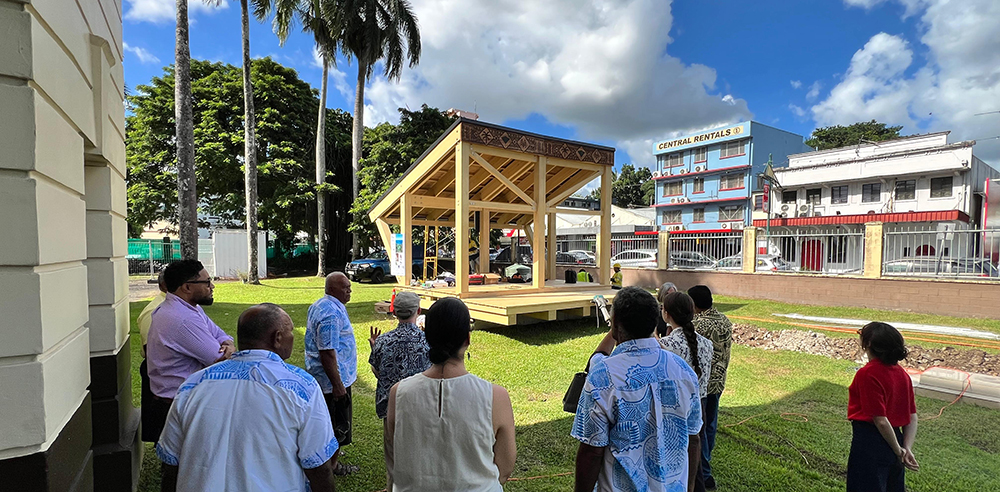
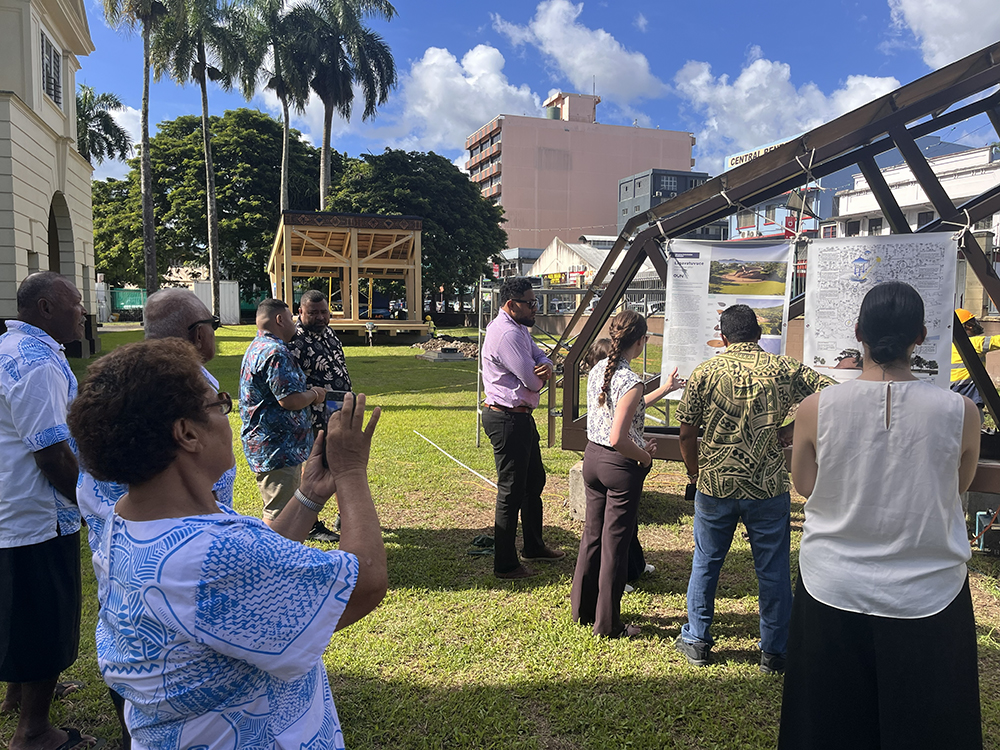
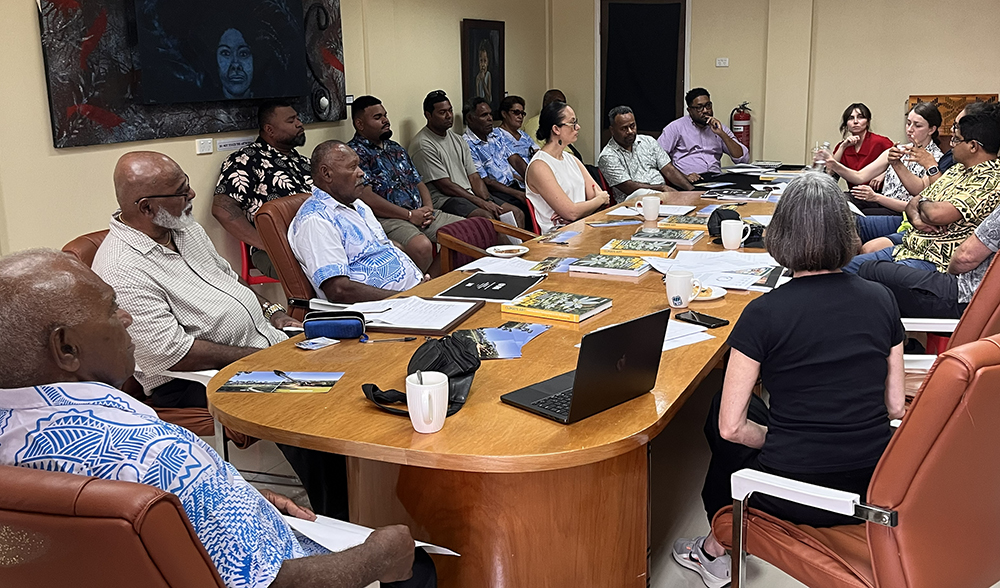
The selection process began on March 23rd with an on-site review of the prototypes. The Stage 2 jury was comprised of Marou Village representatives (Board members of the newly formed Marou Electric Cooperative). Following a site walk and prototype inspection, the group gathered in the Fiji Arts Council conference room to discuss how each project met the decision criteria for Stage 2 of the design competition.
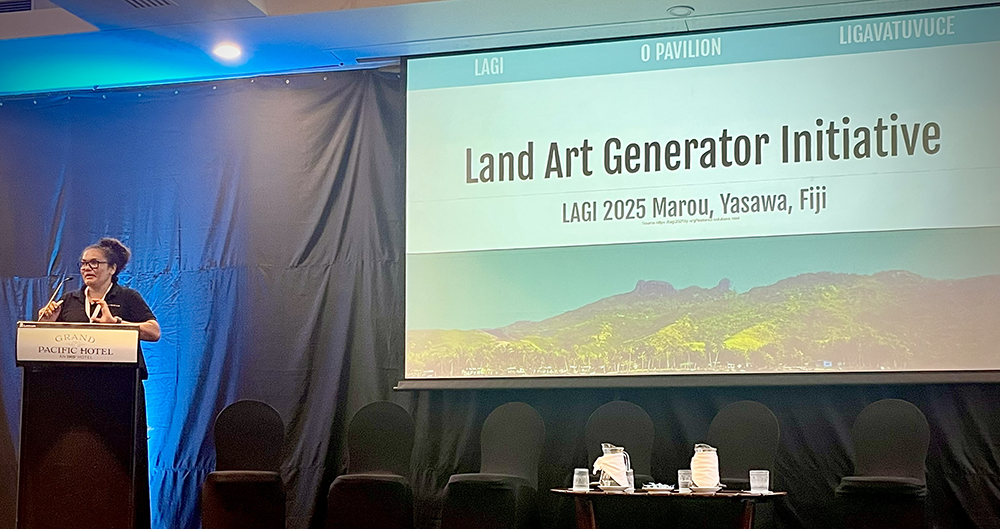
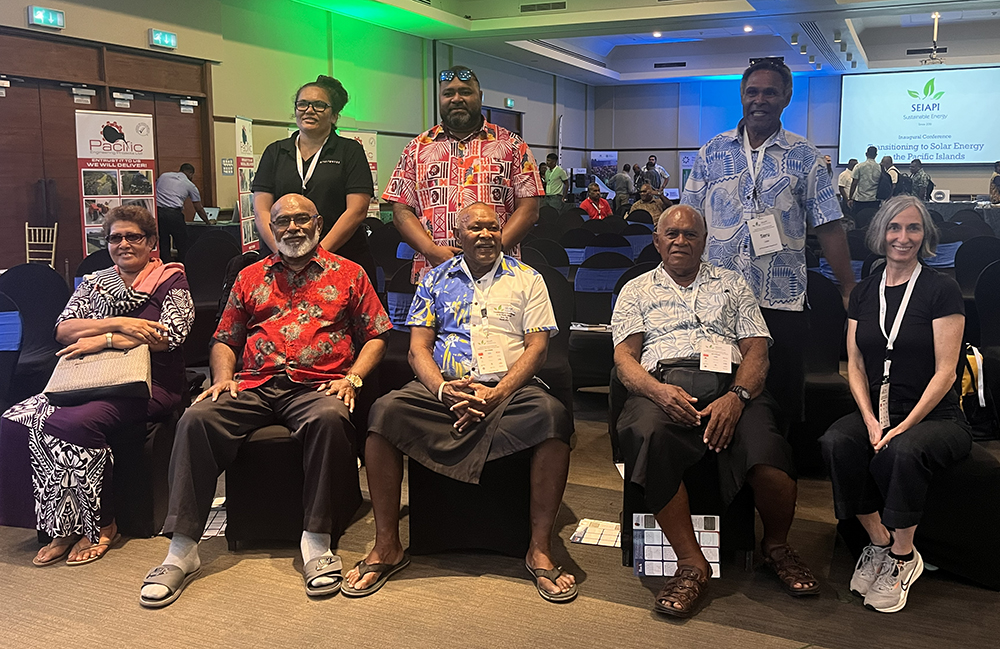
That same week was the first annual SEIAPI Solar Conference, which brought together professional from across the Pacific to learn from each other about best practices for solar design and installation. Loma Mataika, registered architect in Fiji and LAGI’s local architecture consultant, presented the LAGI 2025 Fiji. She spoke about the importance of community engagement and co-design to the long-term success of off-grid projects.
Some more images of Ligavatuvuce prototype:
Some more images of The O prototype: