


LAGI Competitions
The free and open LAGI International Design Competition invites creative minds from around the world to reimagine energy infrastructure as part of our shared landscape. It asks what renewable energy systems can aspire to be in their built form. It asks how these systems might integrate into cities and countrysides while enhancing public space, educating communities, and inspiring change. Thousands of participants from across the globe have helped shape this vision, contributing powerful and imaginative proposals that point toward a beautiful clean energy future.
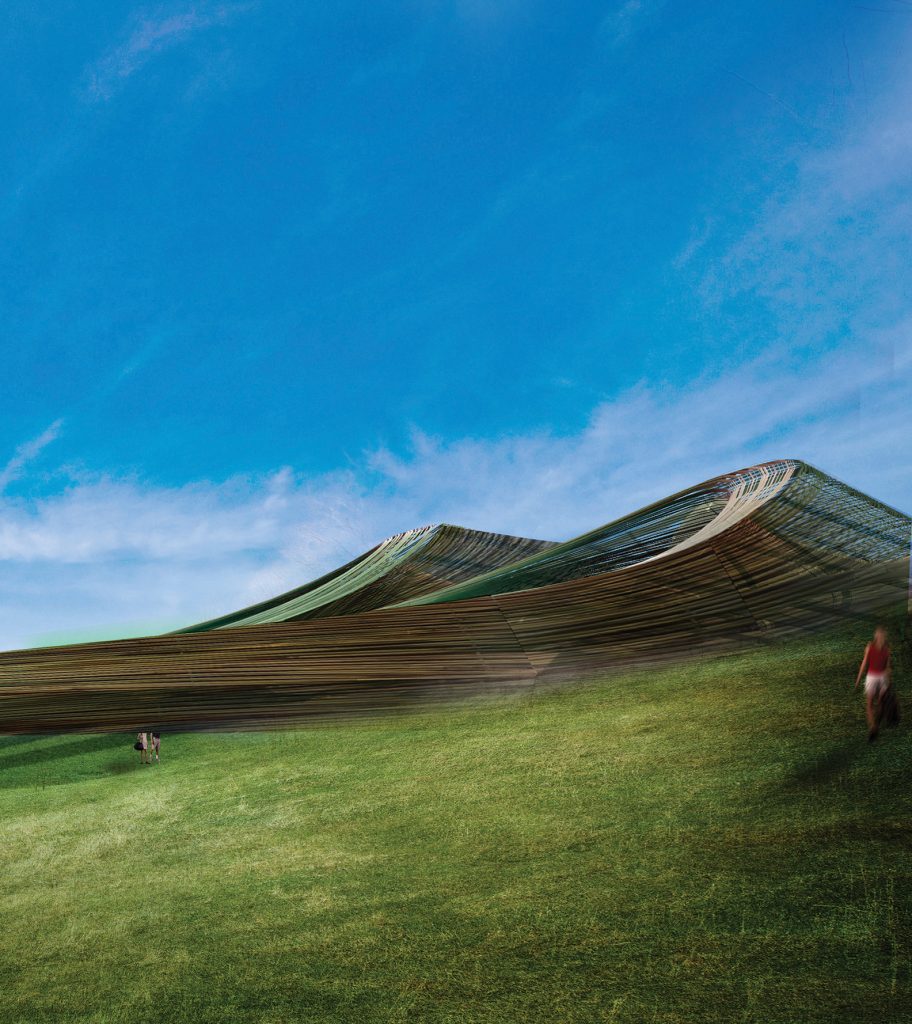
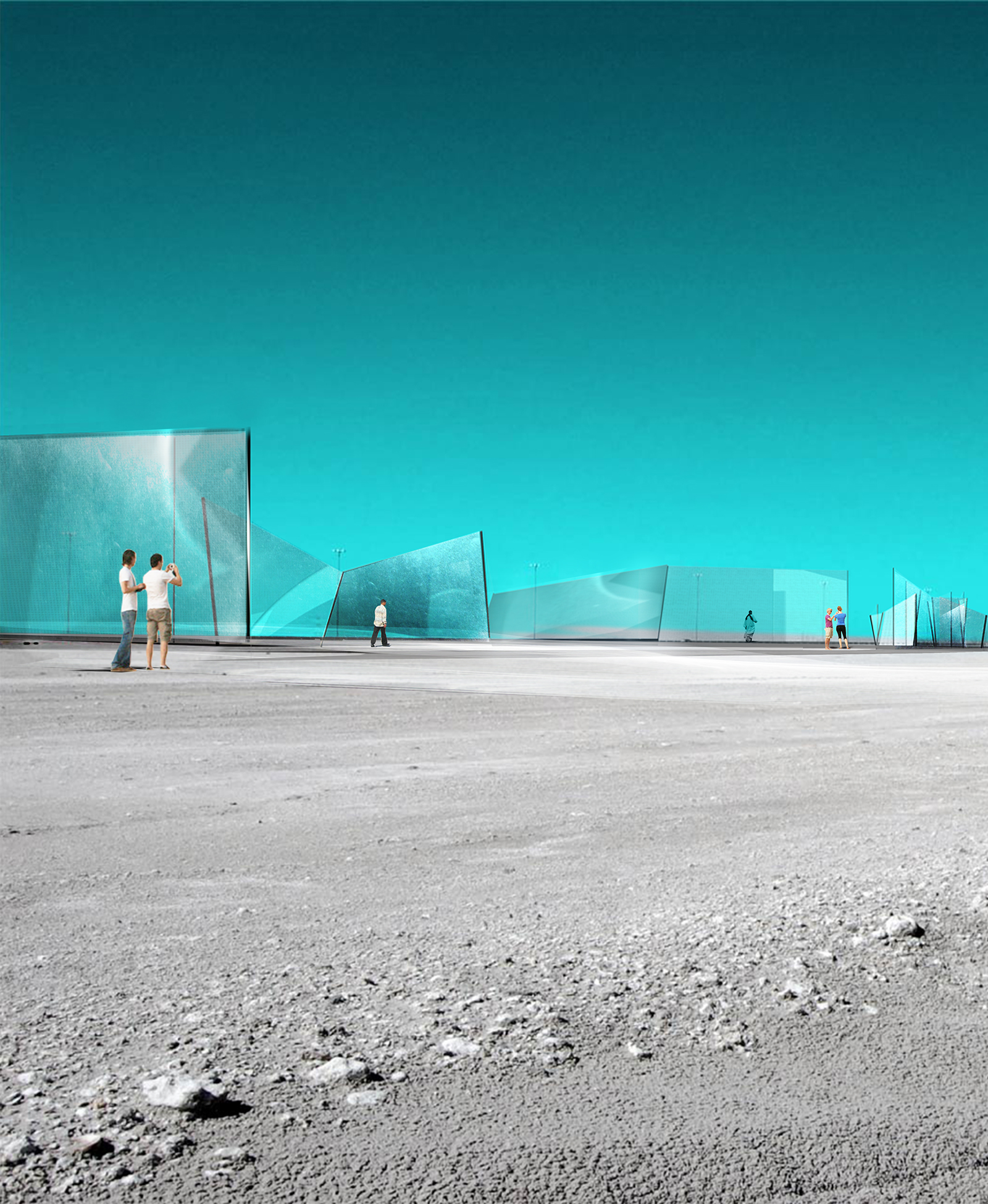
The Process
- Sites are chosen for their ability to provide a rich cultural context for participating teams.
- Each year we look forward to offering a unique, yet universally applicable typology that can be replicated within other similar conditions in other cities.
- We work closely with the site owner and local stakeholders to develop a design brief that responds to the socioeconomic and cultural needs of the local site and that responds to the unique climate conditions.
- Jurors are invited who will represent a mix between local community leaders and internationally-recognized professionals across many disciplines who bring a global design, arts, and science perspective.
- Partnerships are established with universities, utilities, municipalities, and nonprofits in the host city and the region who provide project support and assist with design brief development.
- For every competition there is a publication, multiple exhibitions and educational outreach events. The goal is to feature the innovative work of the many talented interdisciplinary teams who participate.
- In every case we create unique educational materials (often dual-language), and work closely with stakeholders and project partners to harness the conceptual beauty and message of these artworks and the sustainable technologies that they incorporate in order to engage young people in STEAM learning.
If you are interested in bringing a LAGI competition to your city please contact Elizabeth and Robert at lagi@landartgenerator.org. Explore the competition pages below for details about the unique sites, submissions, competition winners, partners, supporters, and more.
Image Credits
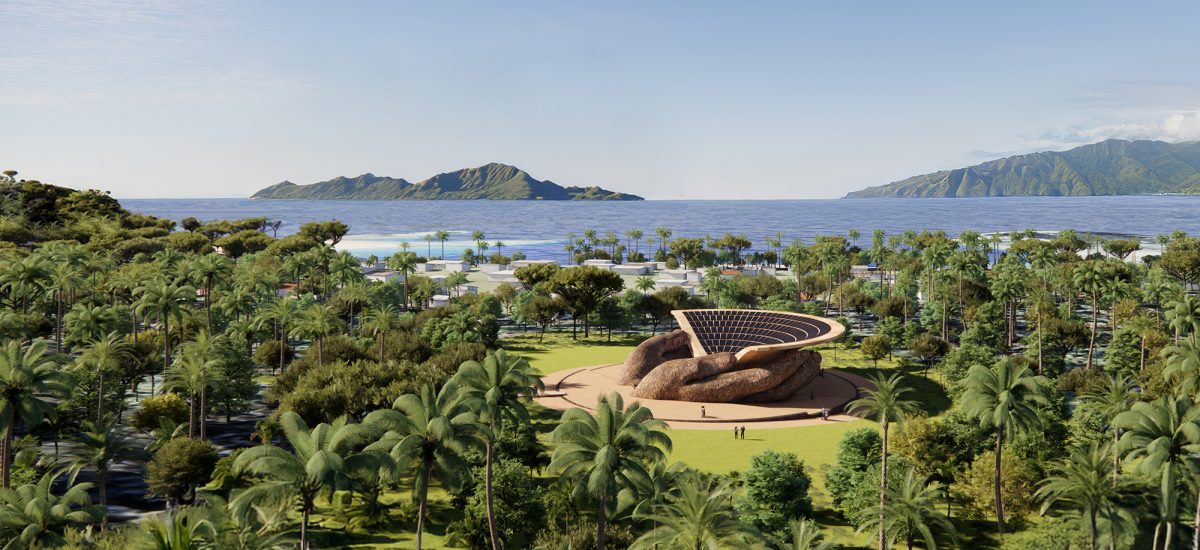
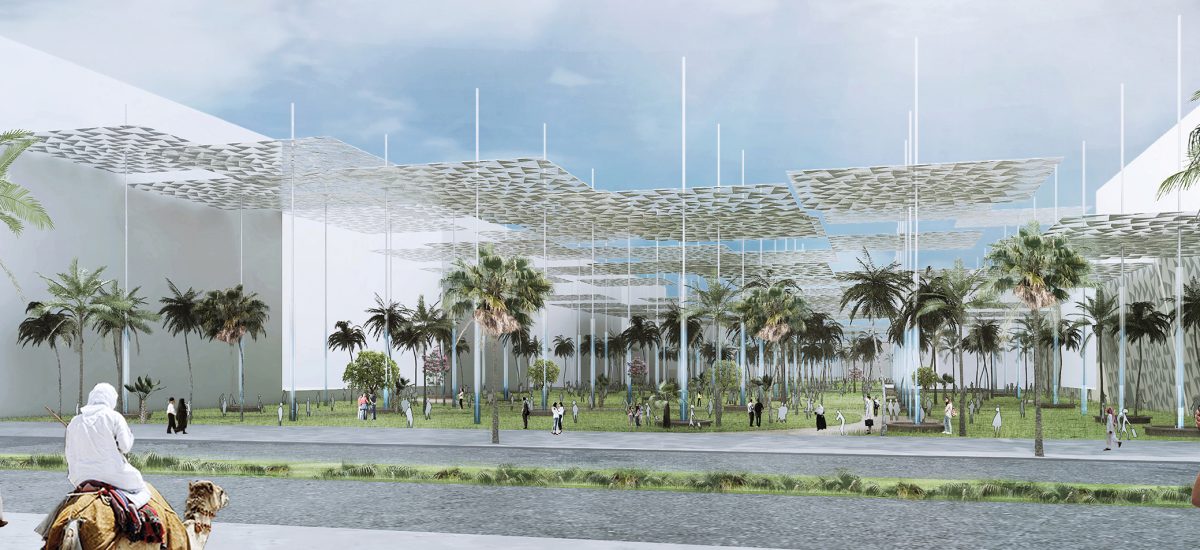
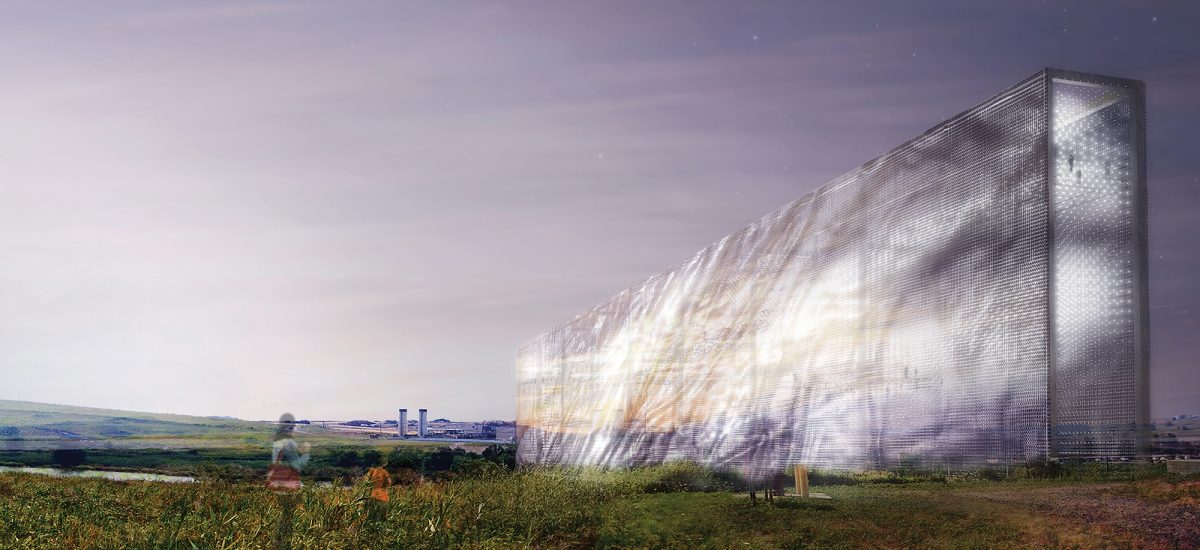
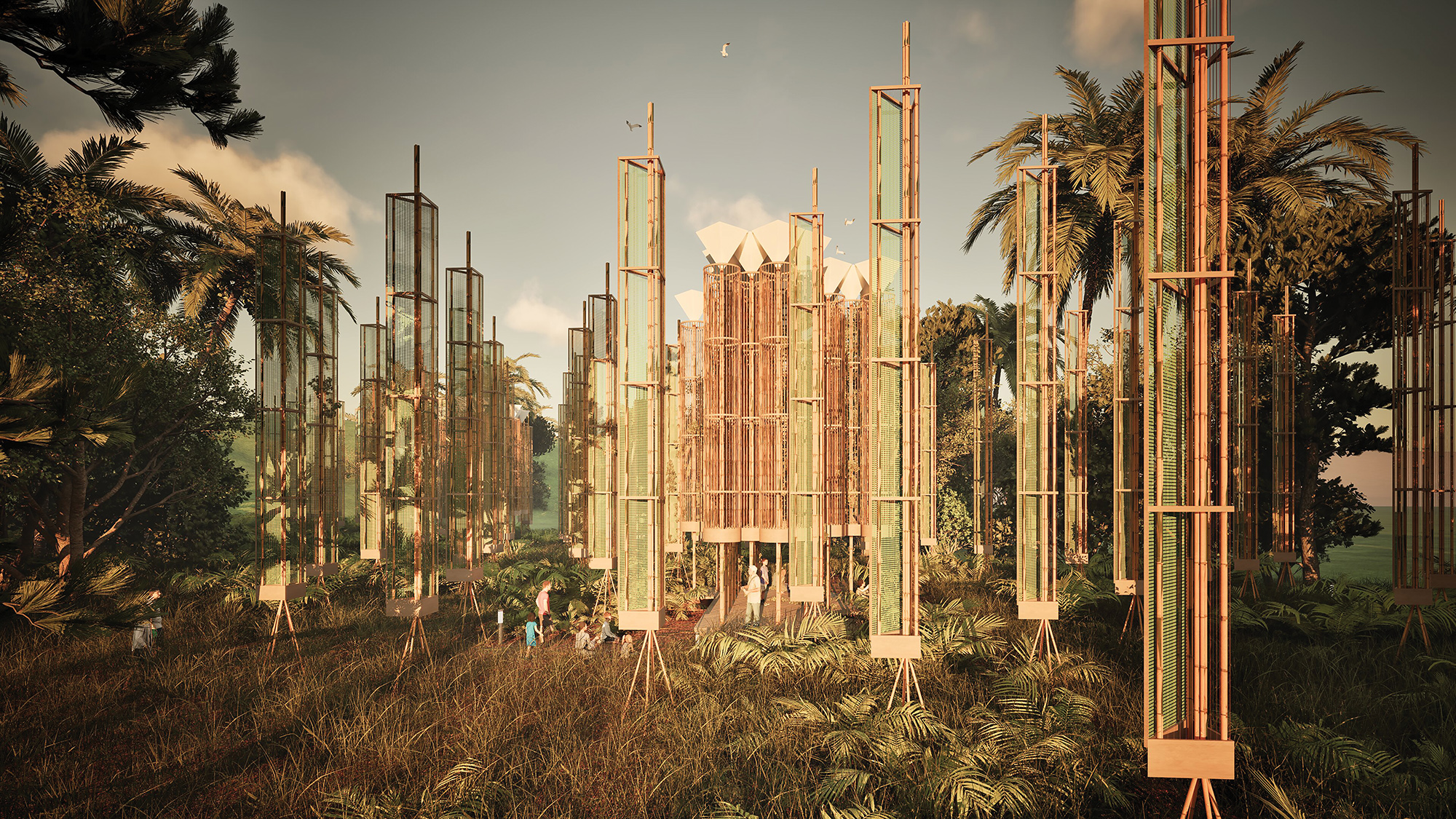
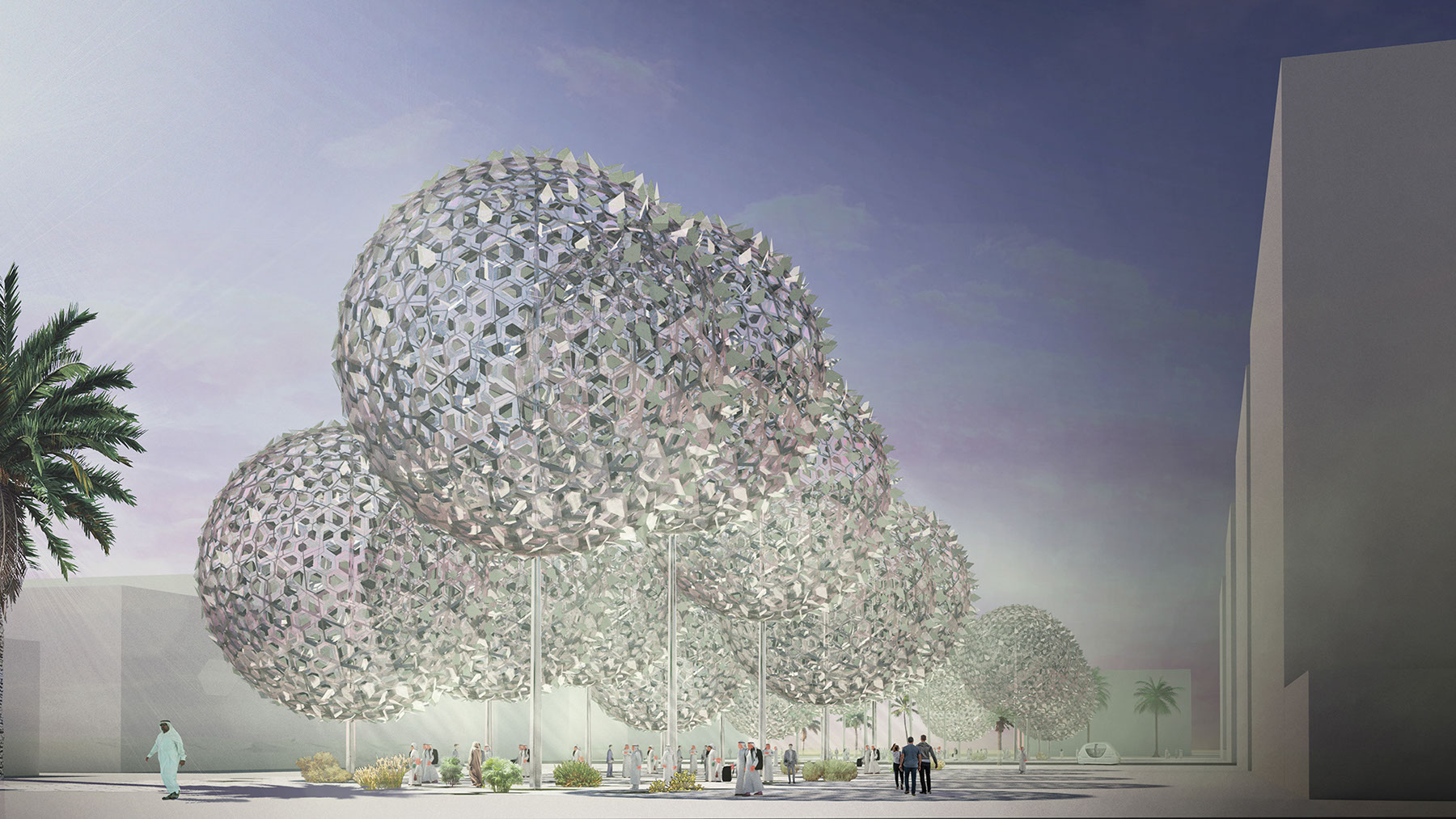
LAGI 2025—Solar Forest by Daniel Cueto Mondéjar incorporates solar photovoltaic semi-transparent panels (similar to Lumos) and rainwater-harvesting to produce 120 MWh of electricity and 450,000 liters of filtered water each year.
LAGI 2022—Girasoli by Antonio Maccà incorporates laminated monocrystalline photovoltaic solar (similar to SolaxessTM) to generate 170 MWh each year.
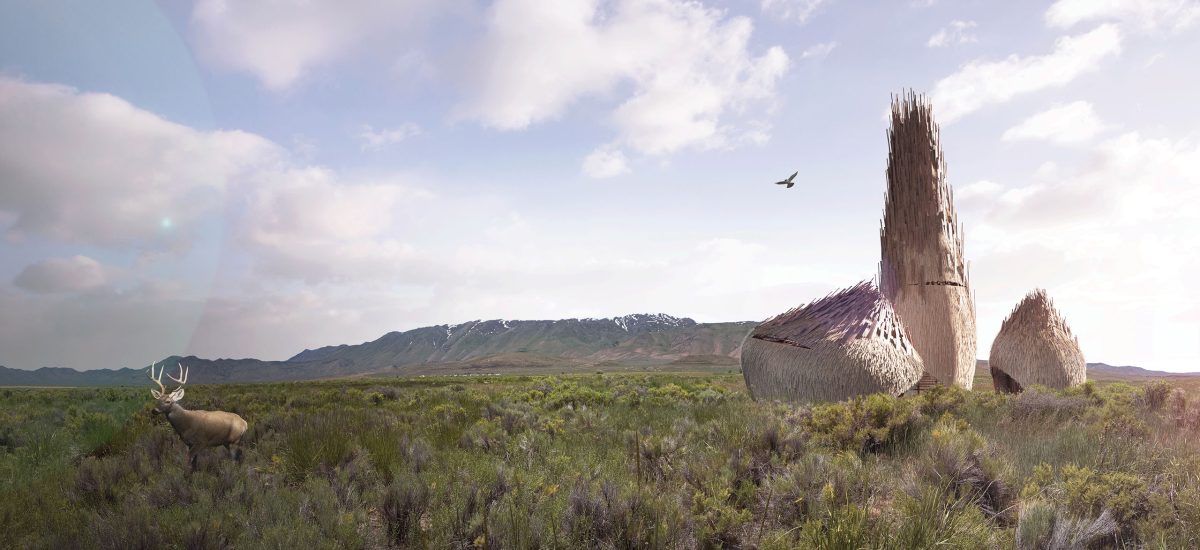
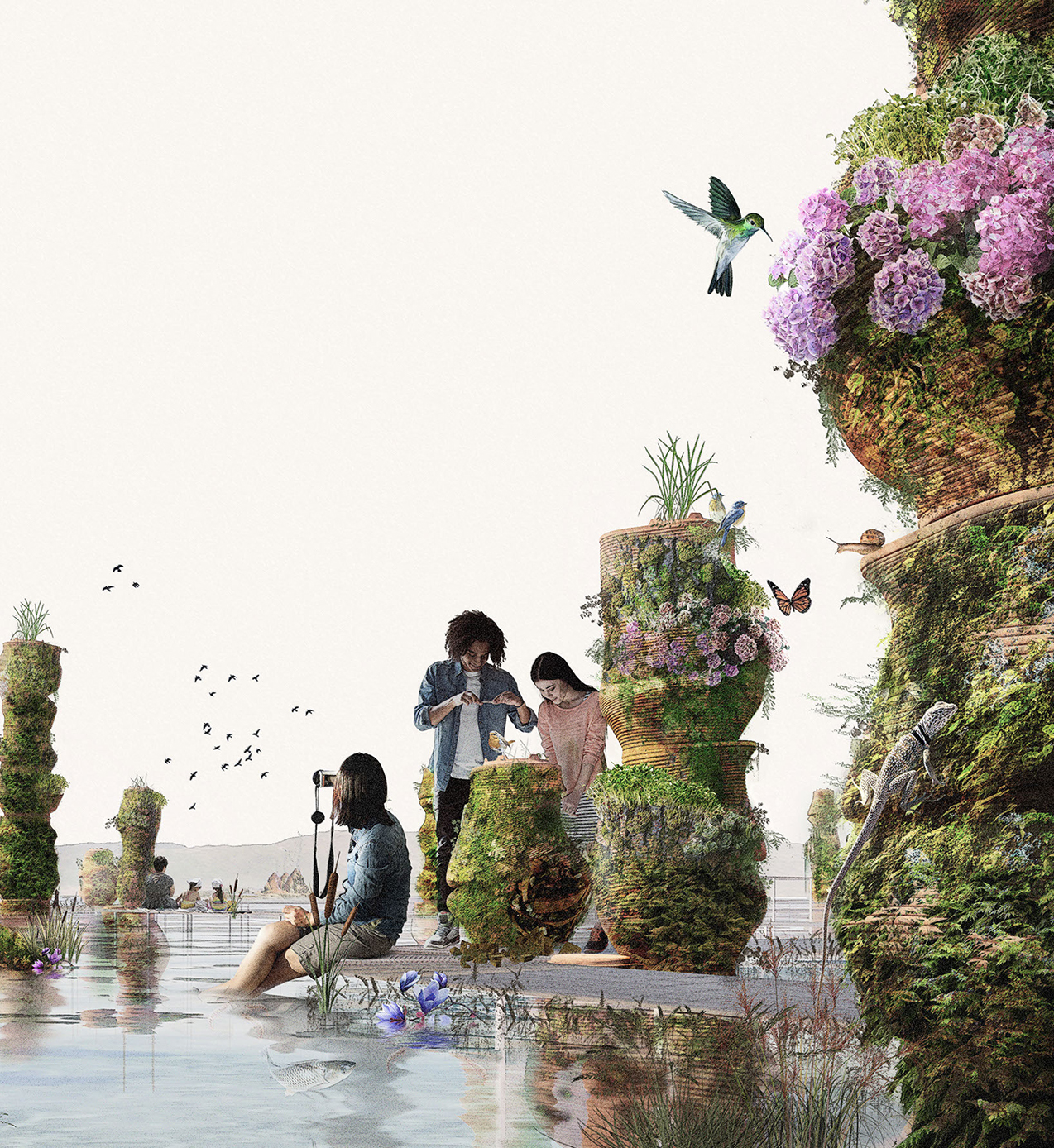
LAGI 2020—Aqua Planterra by Felix Cheong, Haley Zhou, and Rachel Cohen-Murison incorporates locally sourced clay vessels and coiling pottery techniques to contribute 70,000 liters of potable water/year/vessel, 684 cups of edible plants and herbs per year/vessel, and enhanced habitat for local species.
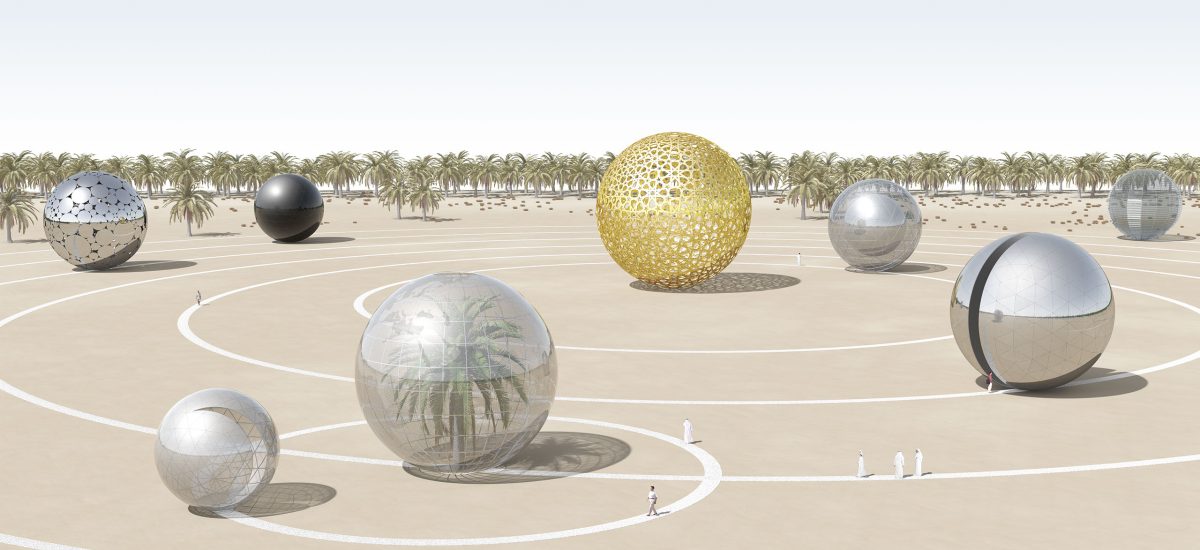
LAGI 2019—Renewable Oasis by Kyriakos Chatziparaskevas incorporates dye-sensitized solar cells (DSSC) laminated in ETFE sheets and piezoelectric energy harvesting to generate 500 MWh each year.
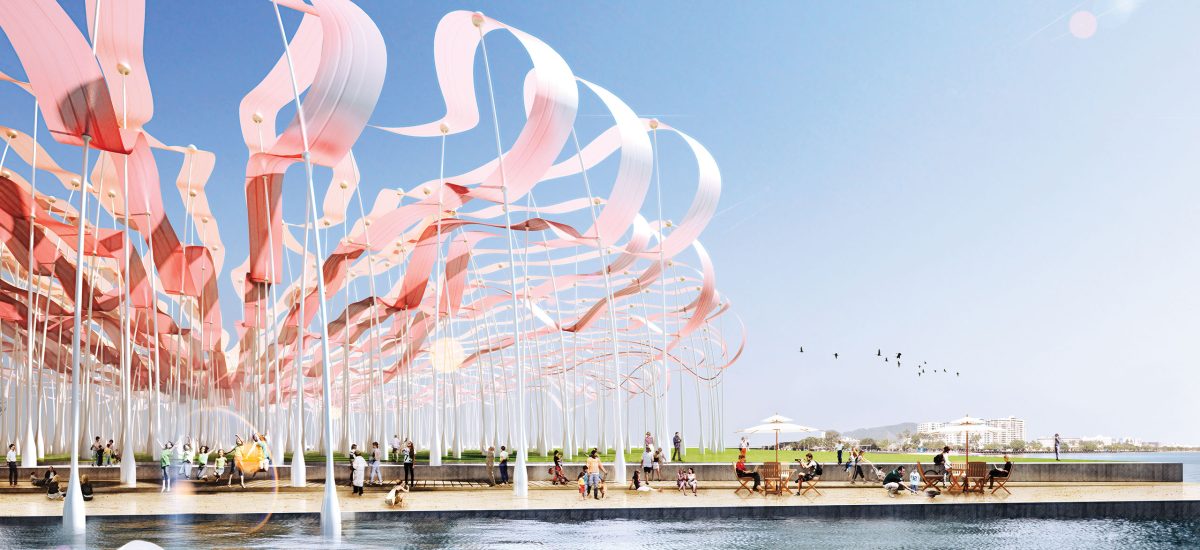
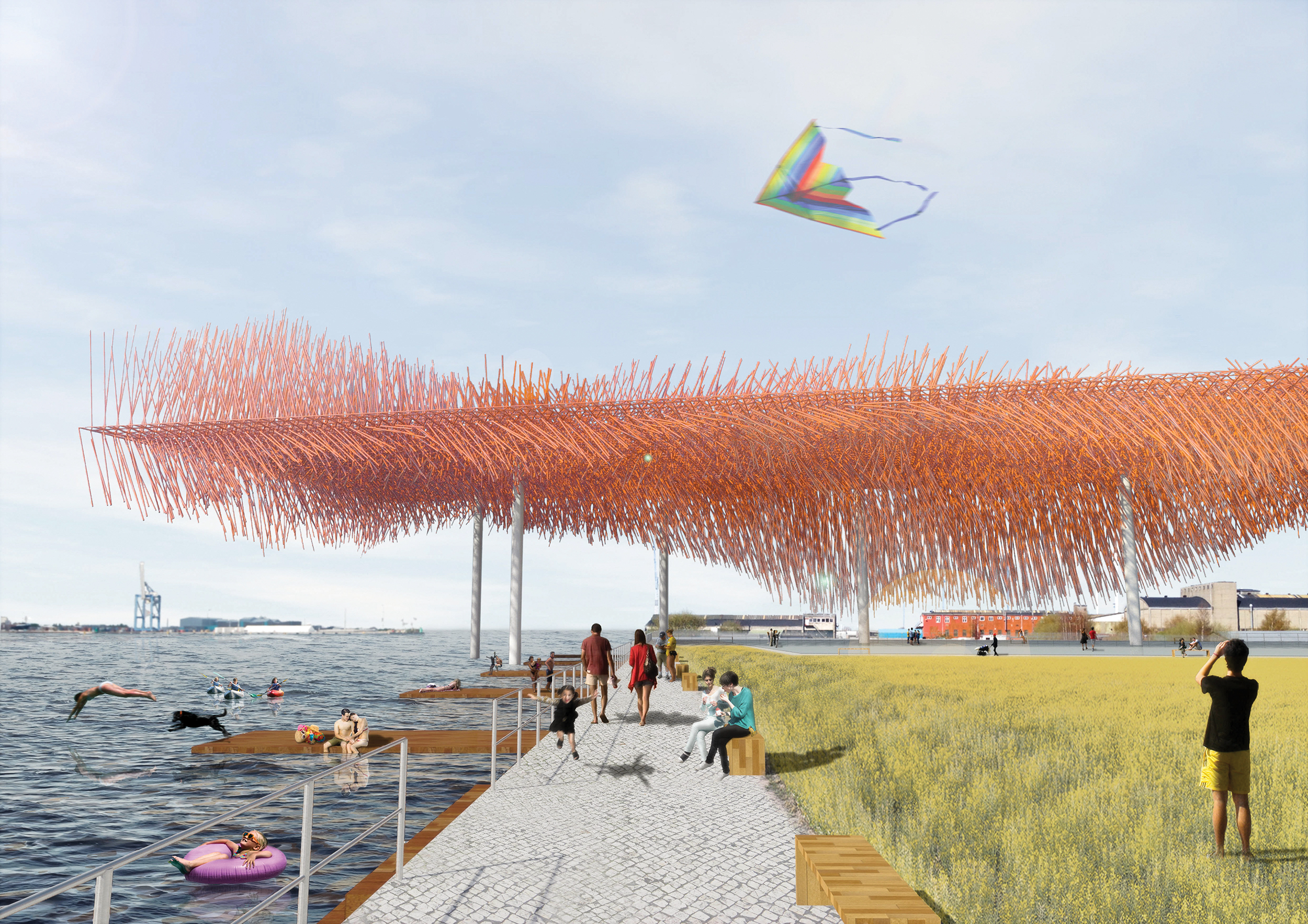
LAGI 2018—Rotor by Louis Gadd, Aimee Goodwin, and Danny Truong incorporates vertical axis wind turbines to generate 105 MWh each year.
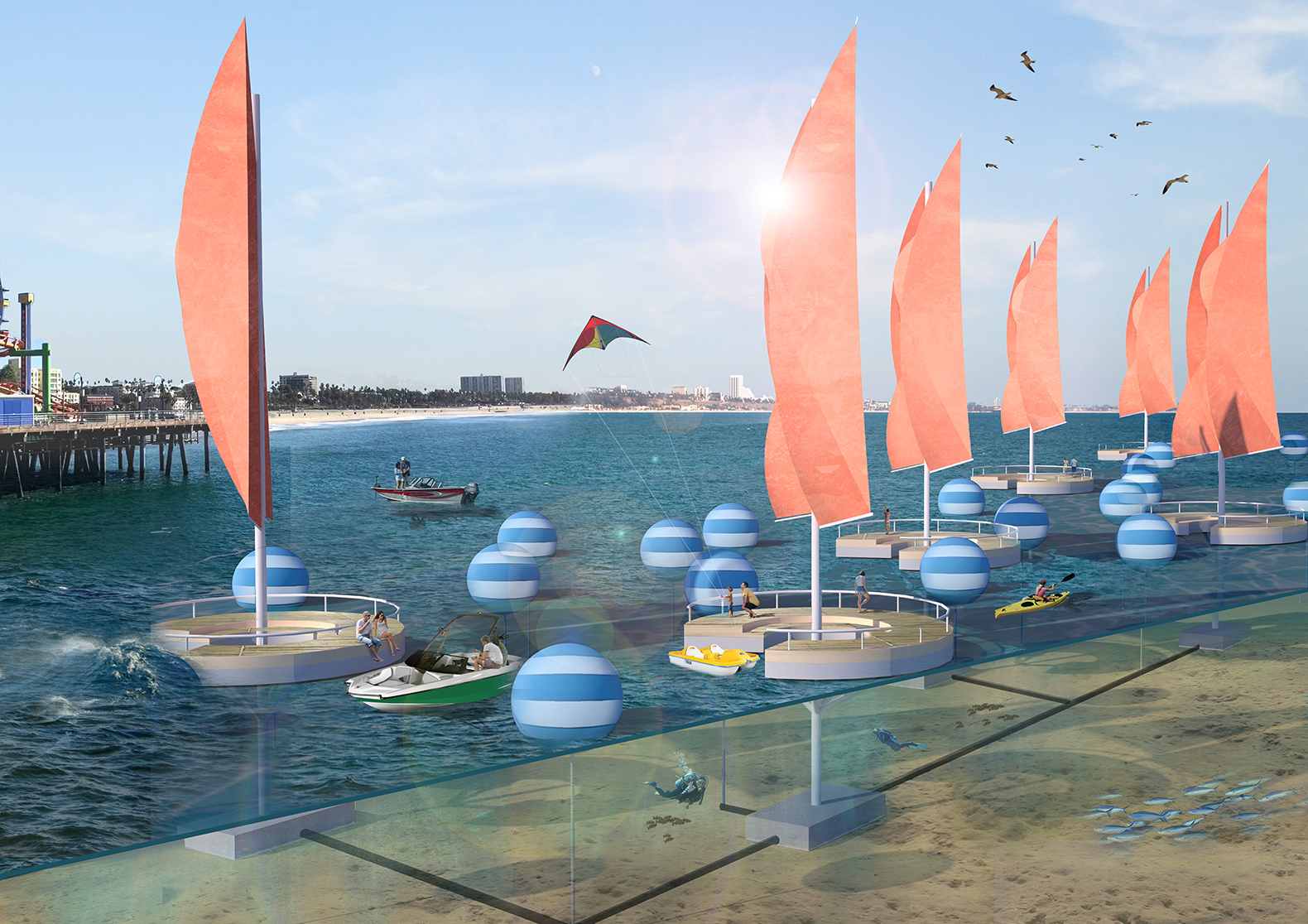
LAGI 2016—Catching the Wave by Christina Vannelli, Liz Davidson, and Matthew Madigan incorporates point absorber wave energy converters (similar to CETO™ by Carnegie Wave Energy) to generate 16,000 MWh each year.
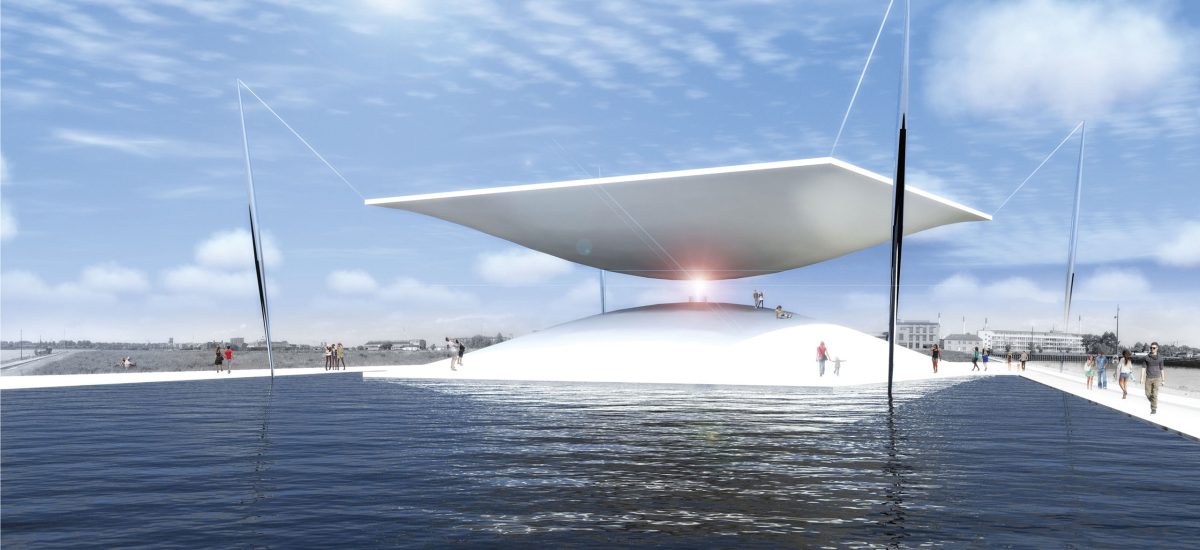
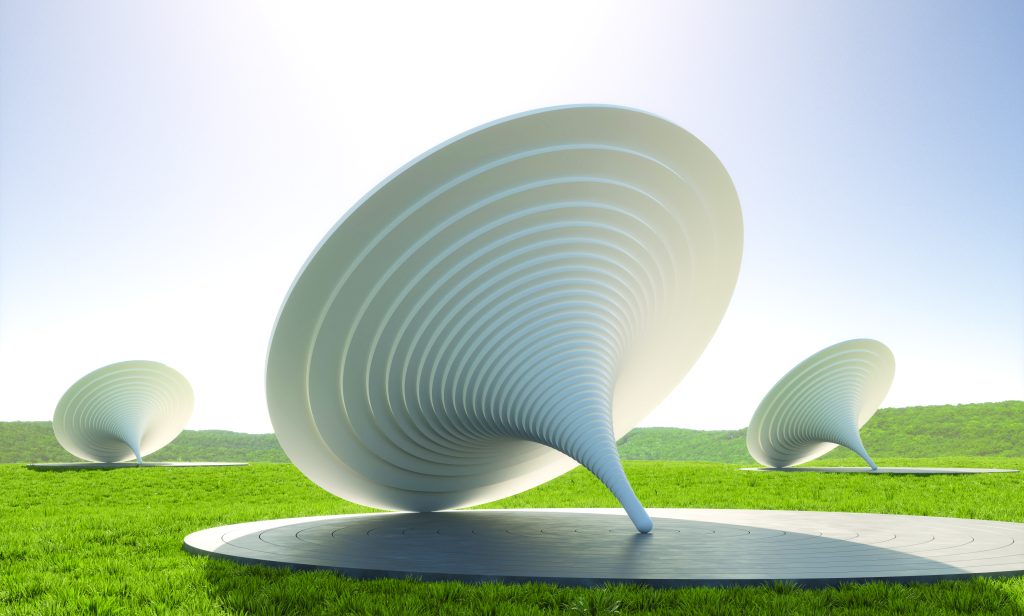
LAGI 2014—Super Cloud by Lucas Jarry, Rita Serra e Silva, Lucas Guyon, and Marianne Ullmann incorporates wind-powered piezoelectric discs to generate 200 MWh each year.
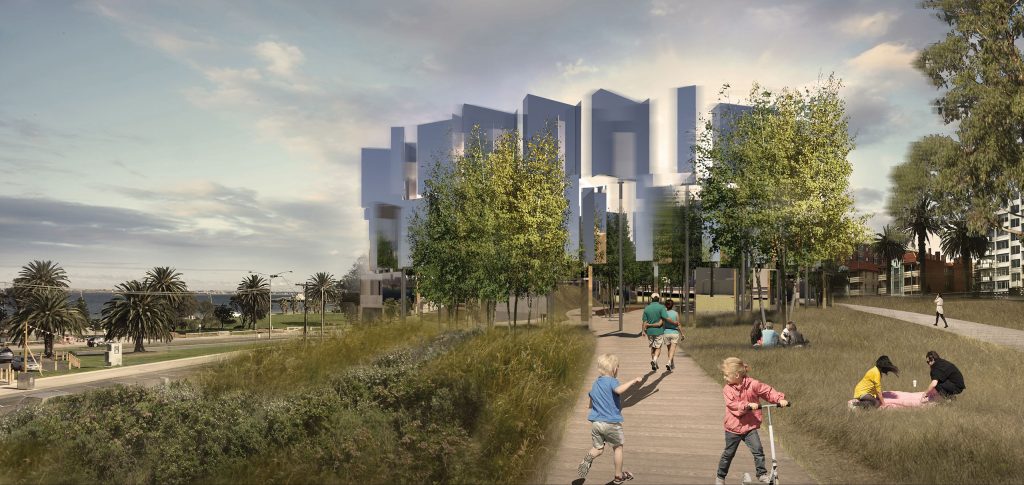
LAGI 2012—Fresh Hills by Matthew Rosenberg, Matt Melnyk, Emmy Maruta, and Robbie Eleazer incorporates horizontal axis wind turbines, air purification technology to generate 238 MWh each year.
LAGI 2010—s:flow by Joanna Wlaszyn, Qian Xu, and David Verrier incorporates Sphelar solar photovoltaic technology embedded in glass planes to generate 6,000 MWh each year.