




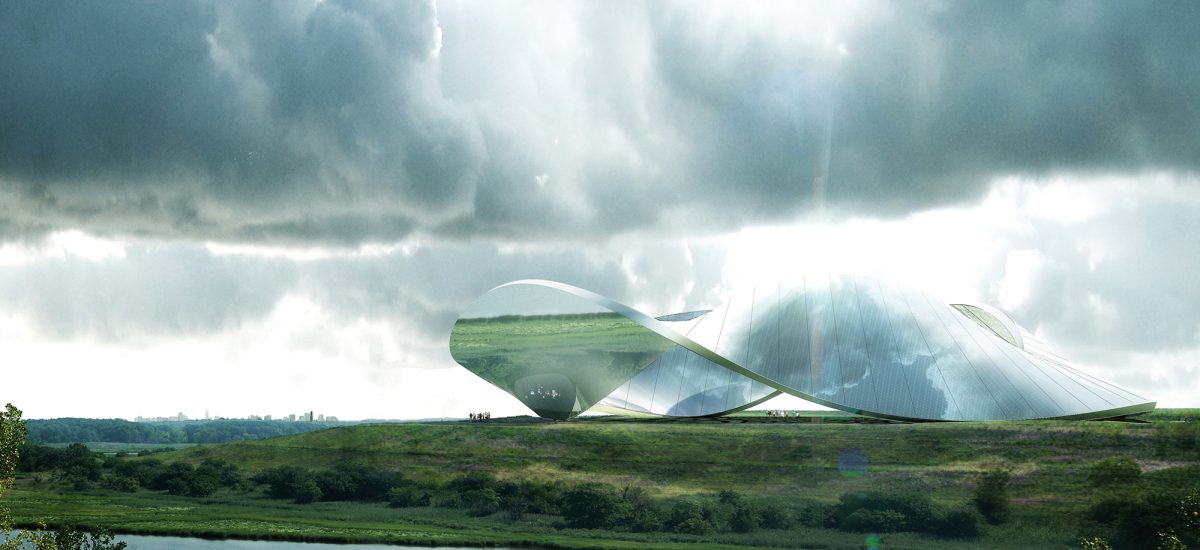
LAGI 2012
site typology: landfill
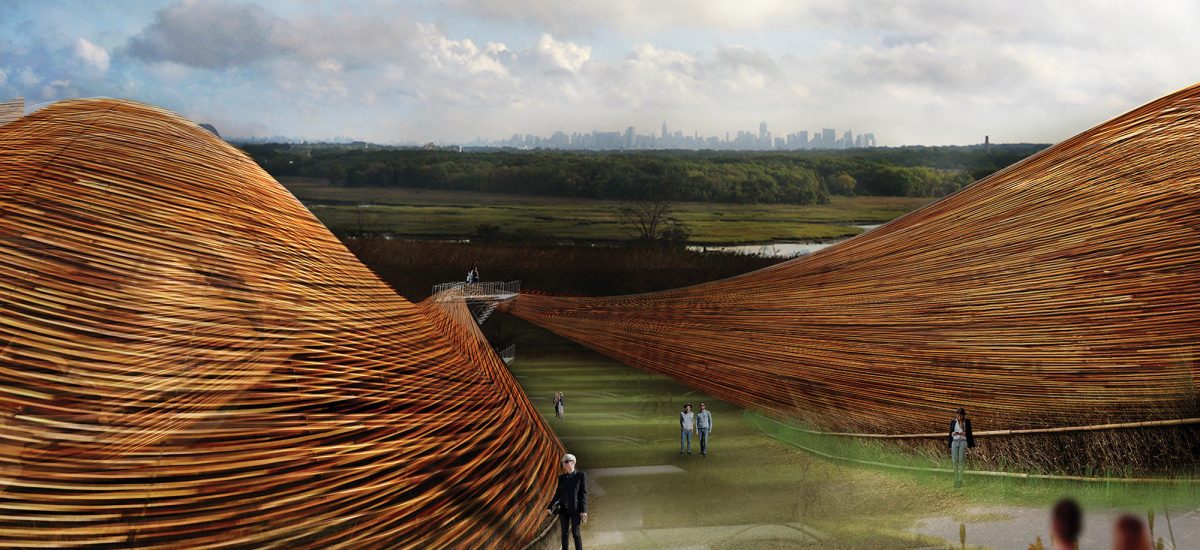
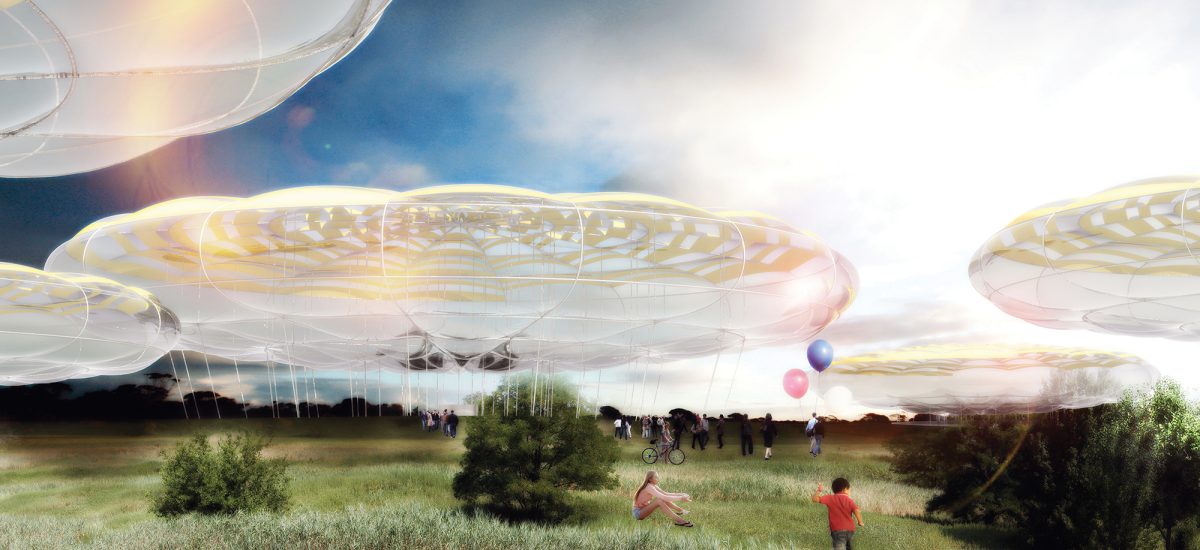
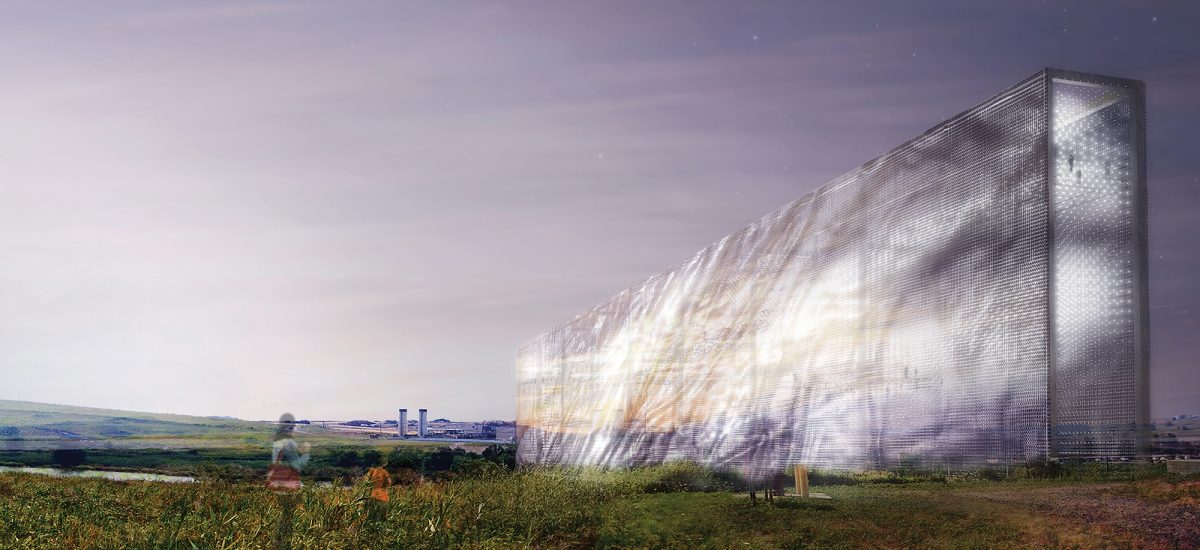
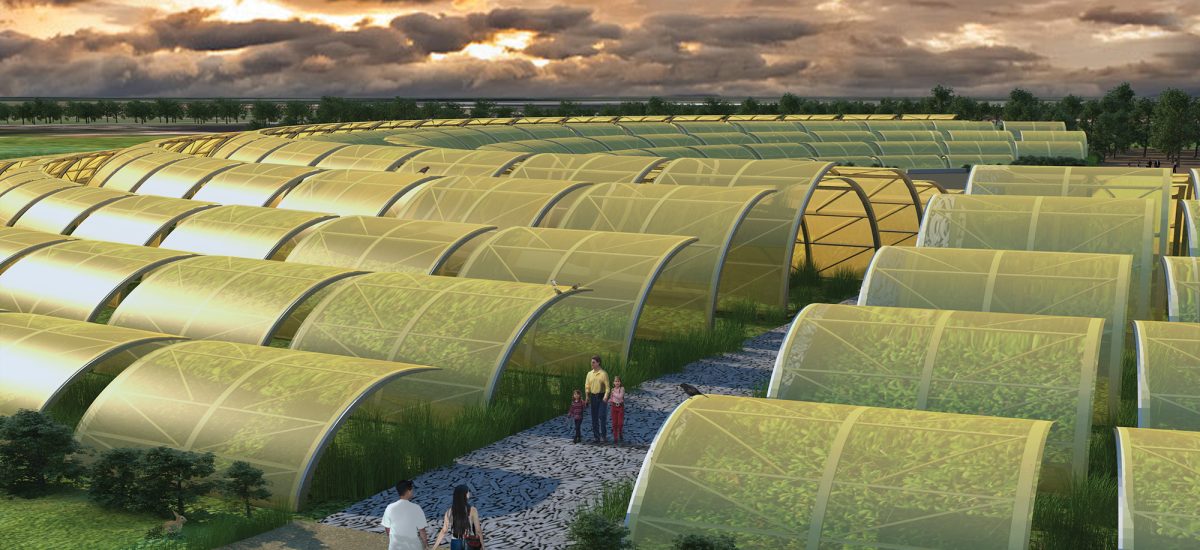
In partnership with New York City’s Department of Parks & Recreation, the 2012 Land Art Generator design competition was held for a site within Freshkills Park (the former Fresh Kills Landfill) in New York City.
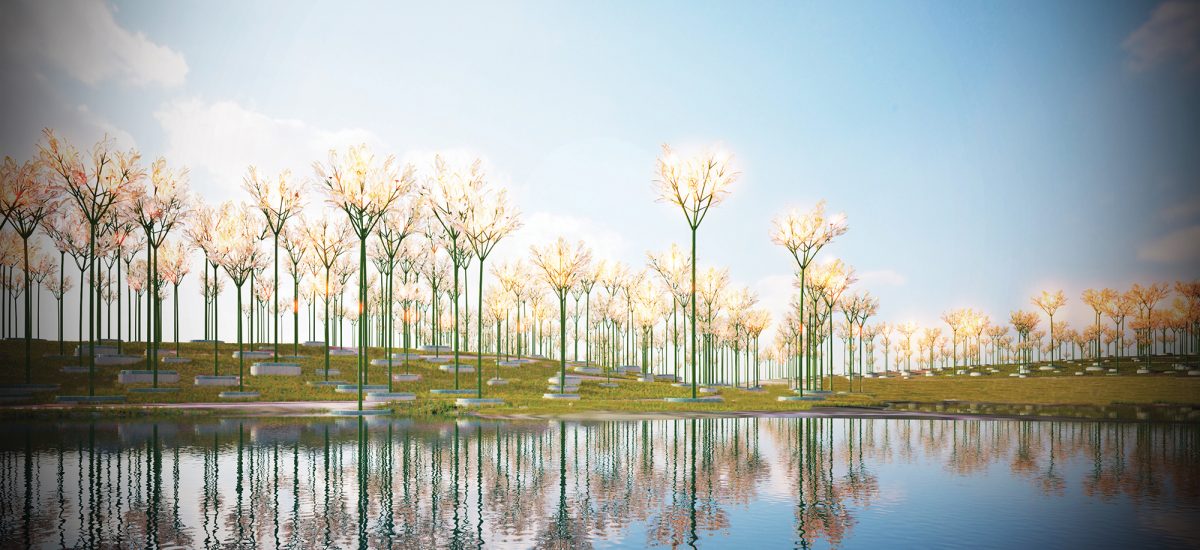
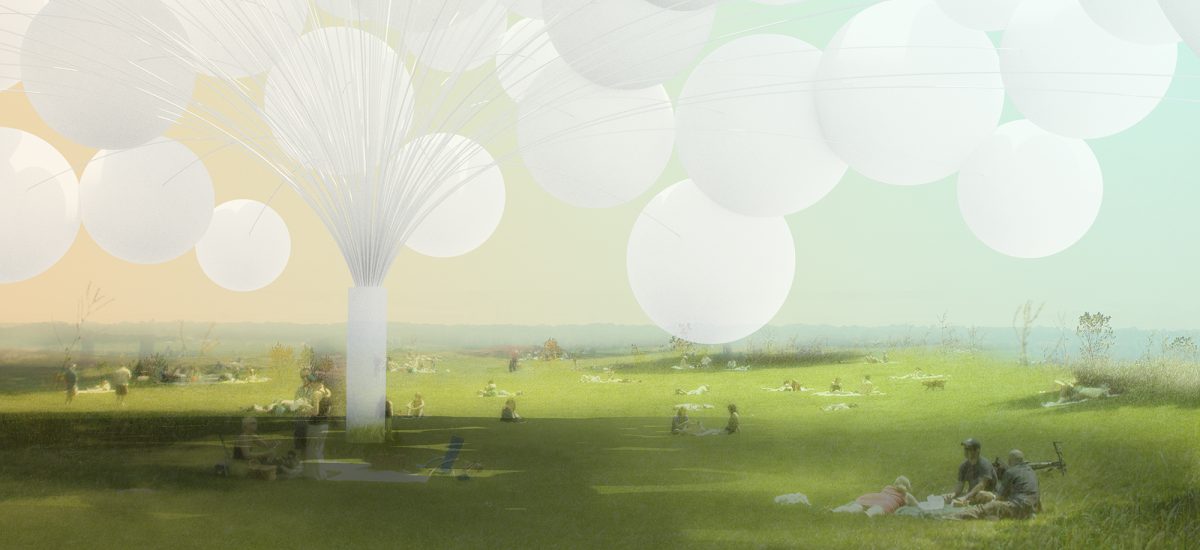
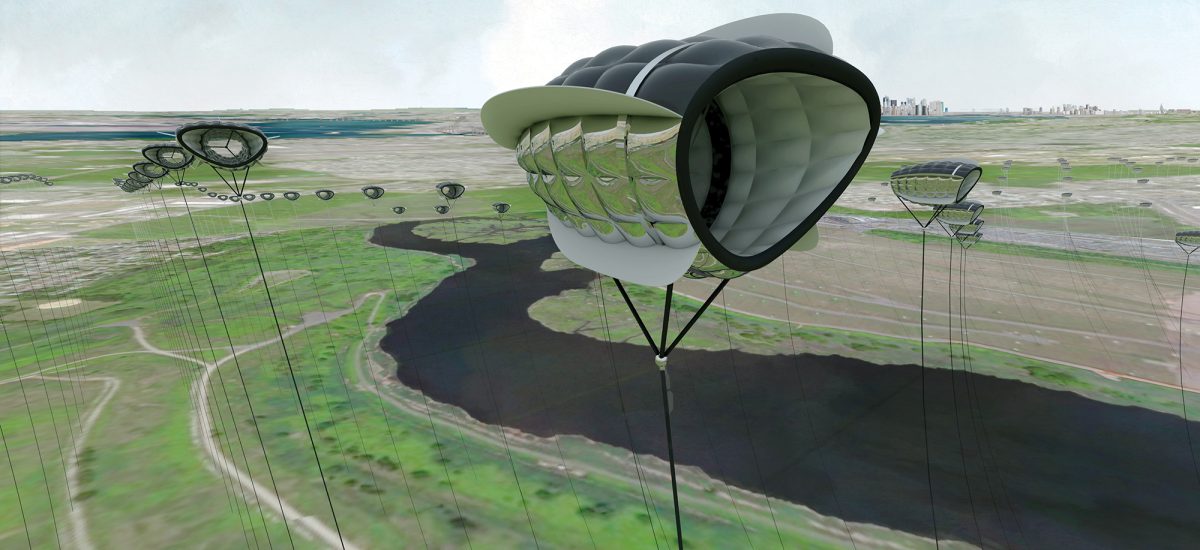
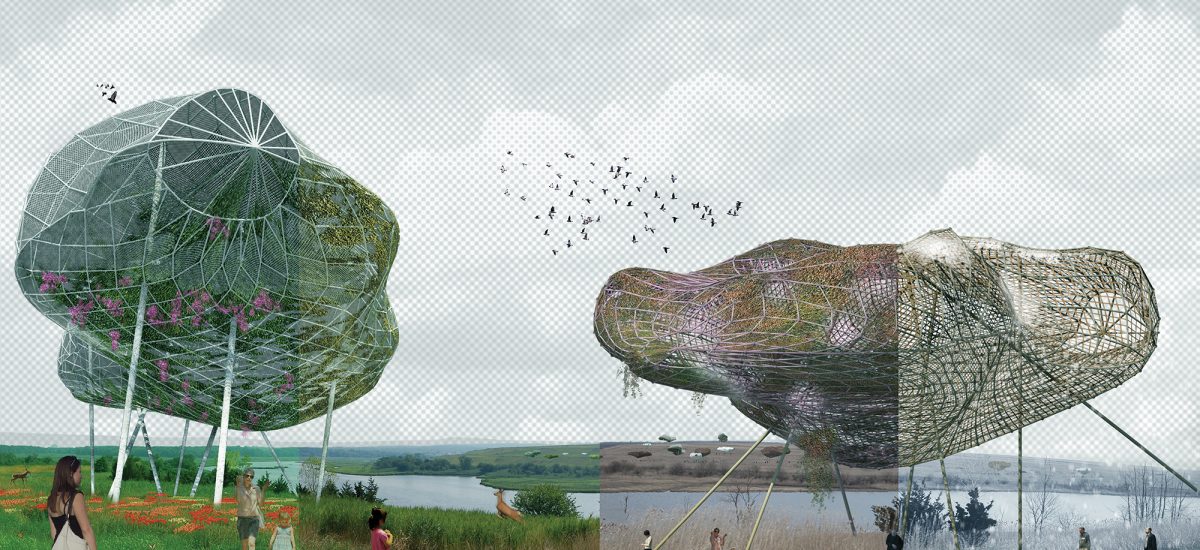
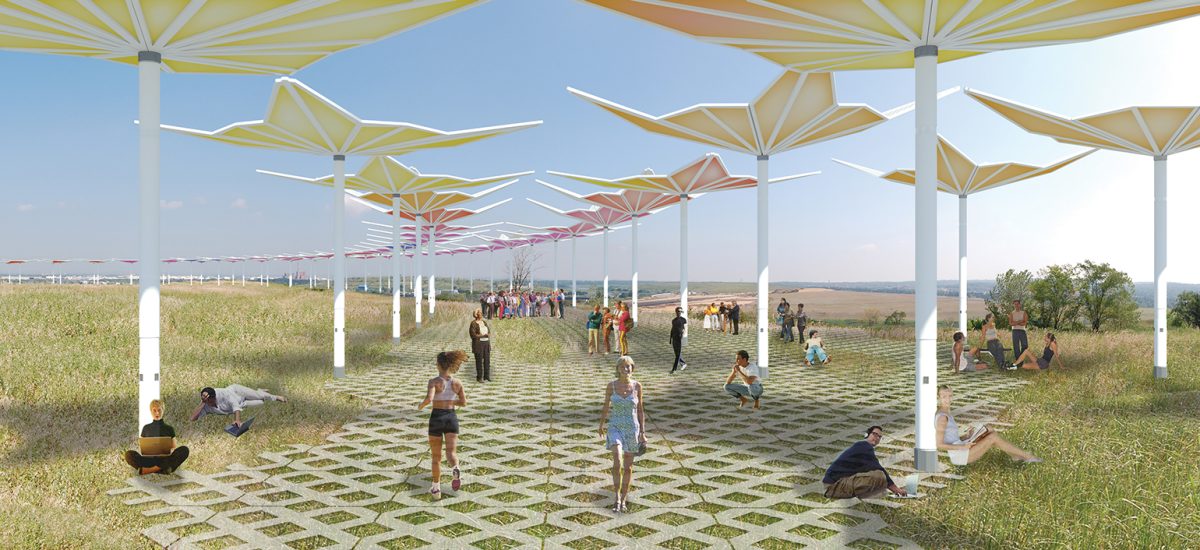
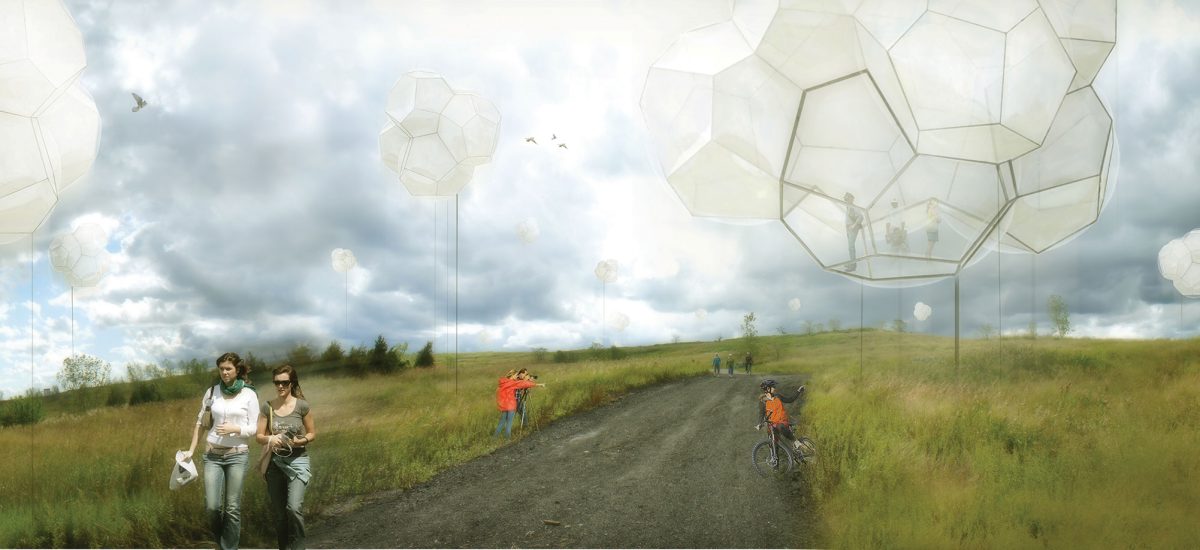
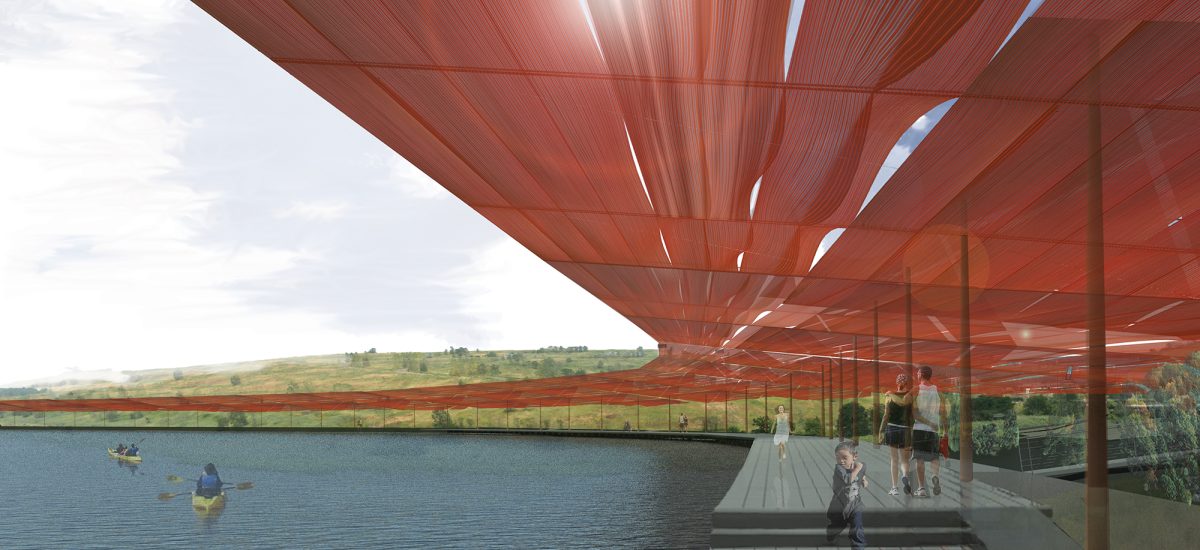
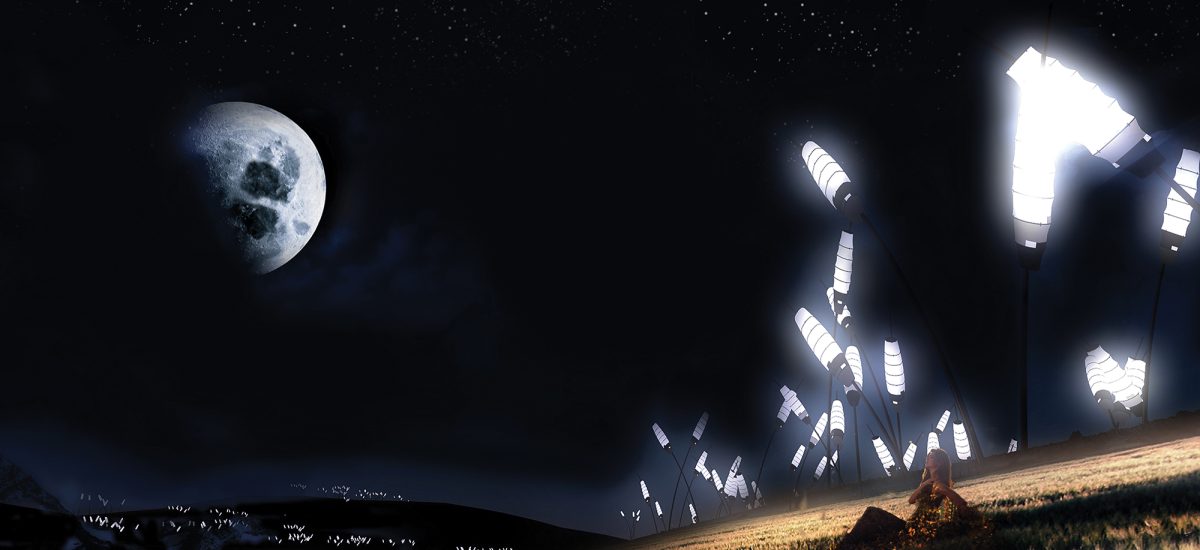
LAGI 2012 was an ideas competition to design a site-specific public artwork that, in addition to its conceptual beauty, has the ability to harness energy cleanly from nature and convert it into electricity for the utility grid.
The expansiveness of the design site at Freshkills Park presents the opportunity to power the equivalent of hundreds or even thousands of homes with the artwork. The stunning beauty of the reclaimed landscape and the dramatic backdrop of the Manhattan skyline provide an opportune setting from which to be inspired. Freshkills Park offers the perfect environment to showcase the immense potential of aesthetically interesting renewable energy installations for sustainable urban planning.
Design Brief
Follow this link to find the > LAGI 2012 Design Brief Document
Publication
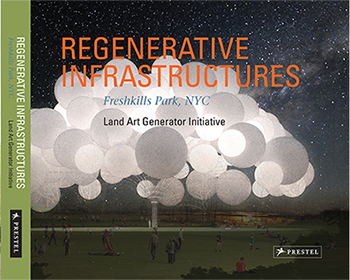
Regenerative Infrastructures, Prestel Publishing
Purchase >
LAGI 2012 Supporters
Horne Family Foundation
National Endowment for the Arts

Furthermore: a program of the J.M. Kaplan Fund

Individuals
Jude van der Merwe
Maria Gillman
Andreas Goritschnig
Orontes Mejia
Michael P. Totten
Rebecca Pearce
Vincenzo Scotti
Lydia Kallipoliti
Eileen Montanez
Rhonda Hauff
About Freshkills Park
At 2,200 acres, Freshkills Park will be almost three times the size of Central Park and the largest park developed in New York City in over 100 years.
The transformation of what was formerly the world’s largest landfill into a productive and beautiful cultural destination will make the park a symbol of renewal and an expression of how our society can restore balance to its landscape. In addition to providing a wide range
of recreational opportunities, the park’s design, ecological restoration and cultural and educational programming will emphasize environmental sustainability and a renewed public concern for our human impact on the earth.
While the full build-out will continue in phases for the next 25 years, development over the next several years will focus on providing public access to the interior of the site and showcasing its unusual combination of natural and engineered beauty, including creeks, wetlands, expansive meadows and spectacular vistas of the New York City region.
In 2001, the City of New York, led by the Department of City Planning and supported by the New York Department of State’s Division of Coastal Resources, conducted a master planning process for Freshkills Park that involved thousands of stakeholders and resulted in an illustrative park plan, also known as the Draft Master Plan. In 2006, the Department of Parks & Recreation assumed responsibility for implementing the project using the Draft Master Plan as a conceptual guide. The basic framework of the plan integrates three separate systems—programming, wildlife, and circulation—into one cohesive and dynamic unit.
Circulation
An expansive network of paths, recreational waterways, and enhanced access to and from the West Shore Expressway through a system of park drives will help to create an animated, interconnected park. People will be able to experience the site by canoe, on horseback, on mountain bike, on foot, or by car.
Wildlife
Freshkills Park will support richly diverse habitats for wildlife, birds, and plant communities. Through ecological innovation, creative design, and wetland restoration, native plant communities will naturalize the site and connect to adjacent parks on Staten Island.
Recreation
Freshkills Park will host an incredible variety of public spaces and facilities for physical activity and play. The site is large enough to support many sports and programs that are unusual in the city, including horseback riding, mountain biking, hiking, kayaking, and large-scale public art.
Science & Arts
Freshkills Park will be much more than a conventional “park,” it will be a leading site for ecological research, renewable energy installations, sustainably designed educational and cultural facilities, and large public artworks.
Text courtesy of New York City Department of Parks & Recreation
LAGI 2012 Jurors
Bjarke Ingels
BIG-Bjarke Ingels Group
Dr. Henry Kelly
Acting Assistant Secretary and Principal Deputy Assistant Secretary for the Office of Energy Efficiency and Renewable Energy at the U.S. Department of Energy
Jean Gardner
Associate Professor of Social Ecological History, Parsons New School, School of Constructed Environments
Alice Aycock
Public Design Commission of the City of New York
Eric Shiner
Director, The Andy Warhol Museum
Patricia Watts & Amy Lipton
ecoartspace
Melanie Cohn
Executive Director, Council on the Arts & Humanities for Staten Island
Steven Grillo
Program Manager for Planning,
Staten Island Economic Development Corporation
Peter Yeadon
Partner, Decker Yeadon
Eloise Hirsh
Freshkills Park Administrator
New York City Department of Parks & Recreation
Phil Gleason
Assistant Commissioner for Waste Management Engineering
NYC Department of Sanitation
Anne Guiney
Executive Director, Institute for Urban Design
James Corner
james corner field operations