


Atasa Solar
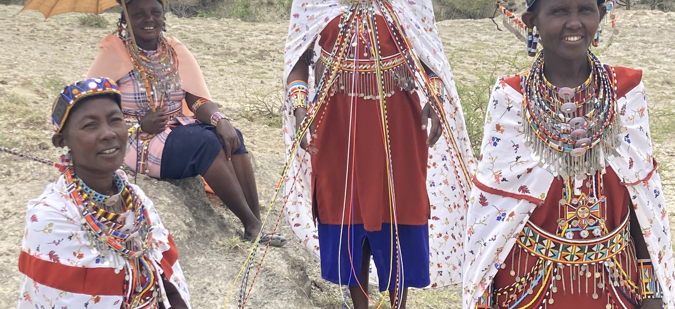
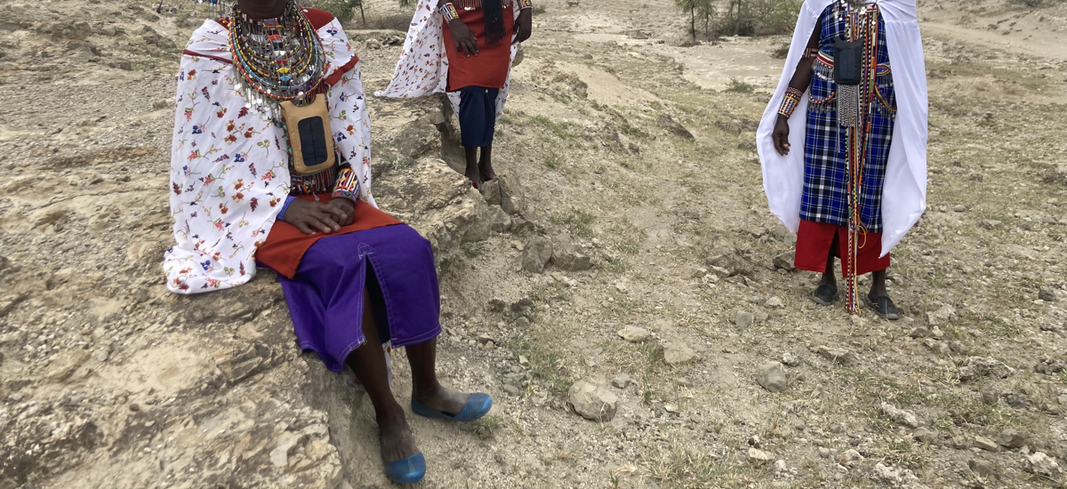
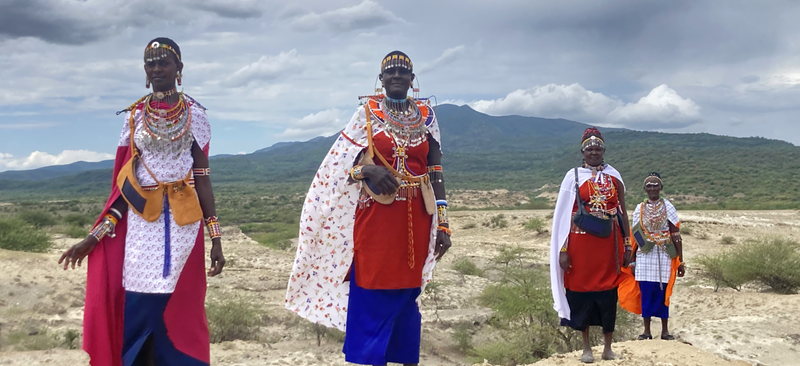
The Land Art Generator, Idia’Dega, and Olorgesailie Maasai Women Artisans (OMWA) partnership brings culturally grounded renewable energy infrastructure to the Maasai community of Olorgesailie, Kenya.
Working closely with Tereneh Mosley and Idia’Dega: Elegant Ethical Apparel — A Global Eco-Design Collaboration, Maasai women have taken the lead in designing creative installations that also generate clean, renewable energy for their community.
This participatory design model values cultural exchange as much as technical outcome, strengthening infrastructure in ways that support long-term creativity, resilience, and sustainability.
By positioning Maasai women as lead designers—rather than imposing external engineering aesthetics—the project fosters a respectful relationship between renewable energy infrastructure, indigenous rights, and cultural and aesthetic priorities.
There is clearly a large overlap between renewable energy projects and indigenous peoples’ territories in Kenya. As such, the renewable energy corporations have a responsibility to respect the rights of these communities in line with international and national human rights instruments. The UN Guiding Principles on Business and Human Rights place the responsibility on business enterprises to respect the rights of communities when undertaking projects on their lands and territories. Renewable energy projects in Kenya must therefore be designed and implemented in ways that protect and advance the rights of indigenous peoples.
Renewable Energy Projects and the Rights of Marginalised/Indigenous Communities in Kenya
IWGIA — Report #21, November 2015
The Artists
Dikka Emmy
Karaiton Maria
Karura Rebecca
Katano Alice
Kilakoi Elizabeth
Kilenoi Agnes
Kinta Regina
Kitamuas Maria
Lakati Elizabeth
Lanket Marisa
Letei Naomy
Loice Mary
Maato Joiyce
Machipei Rosemar
Mankeni Agnes
Metui Maria
Momery Hellen
Mpuyuk Esther
Mukana Jane
Naiyonte Esther
Nancy Grace
Nasitoi Esther
Nepetia Jemimah
Ntaine Charity
Ntete Peninah
Pilanoi Naomy
Rimas Mary
Rokiya Agnes
Sein Joyce
Sekento Eunice
Sencha Jane
Simpano Jackline
Siyai Ncharucha
Sunkura Agnes
Tale Leah
Tekenet Regina
The Process
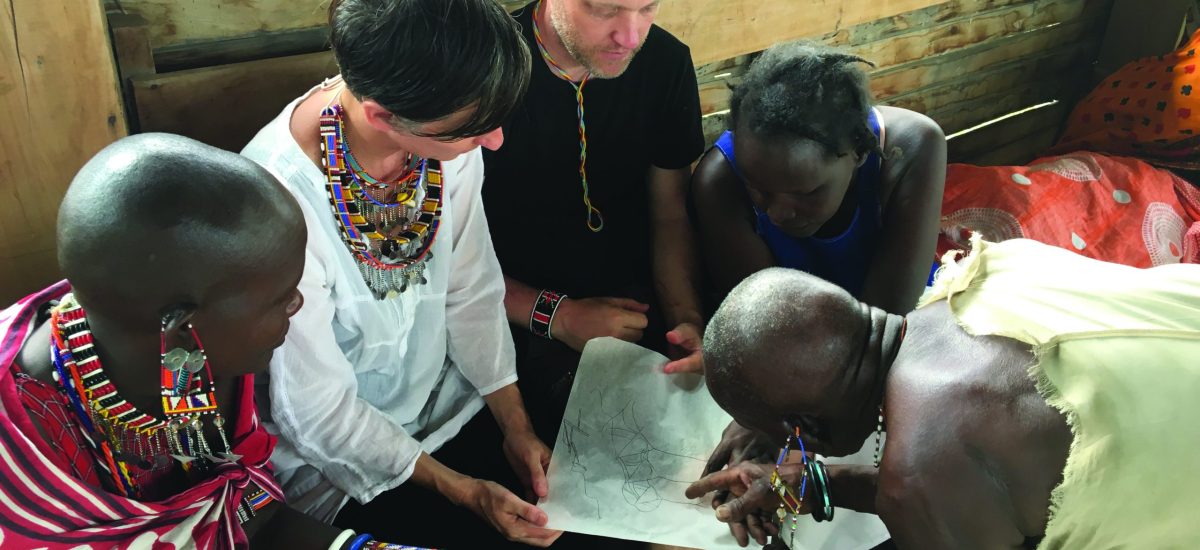
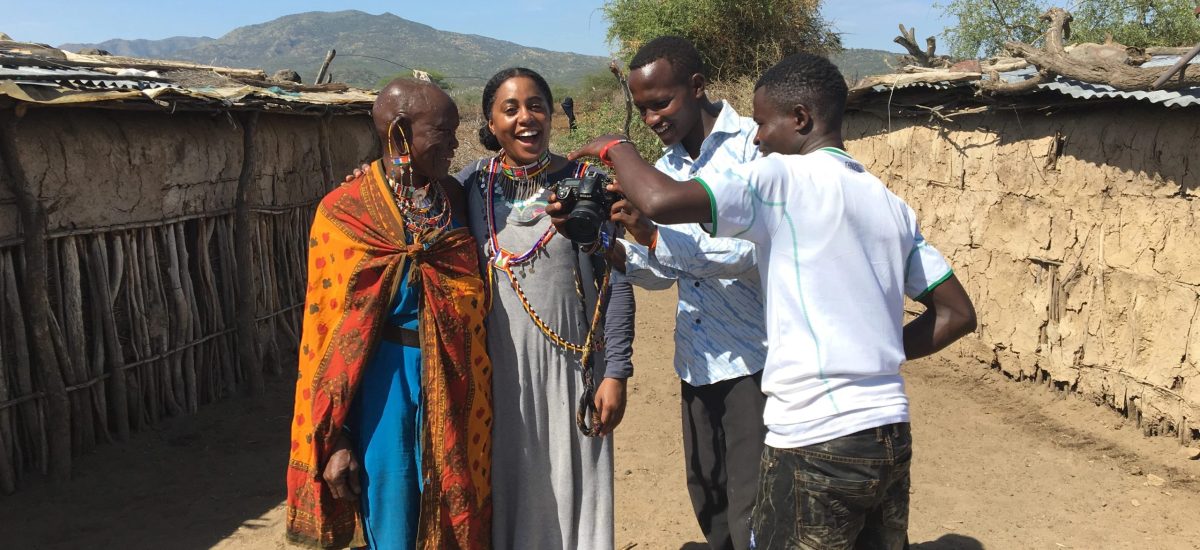
Design workshops began with open discussions about solar energy—facilitated by Elizabeth Kilakoi, a local Olorgesailie resident fluent in English and Maa—focusing on feasible energy scales and how solar power could support daily life in the homestead.
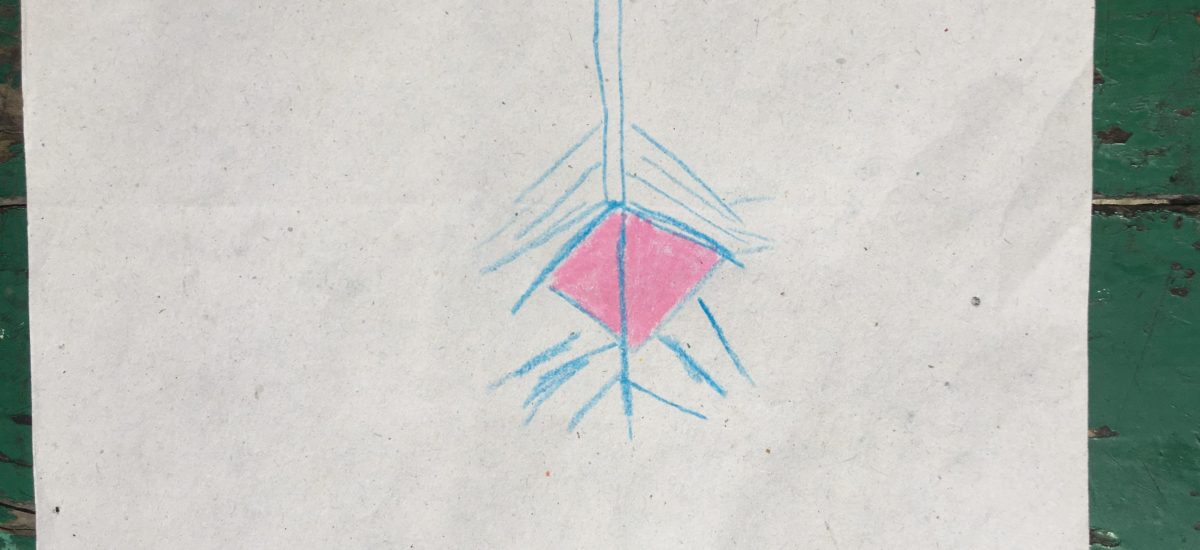
As conversations turned to how ideas from the Idia’Dega design collaboration might translate into solar form, sketching quickly became central to the process. Artisans began drawing collectively, revealing shared themes and symbols: the sun, trees, animals, and geometric forms rooted in Maasai visual language.
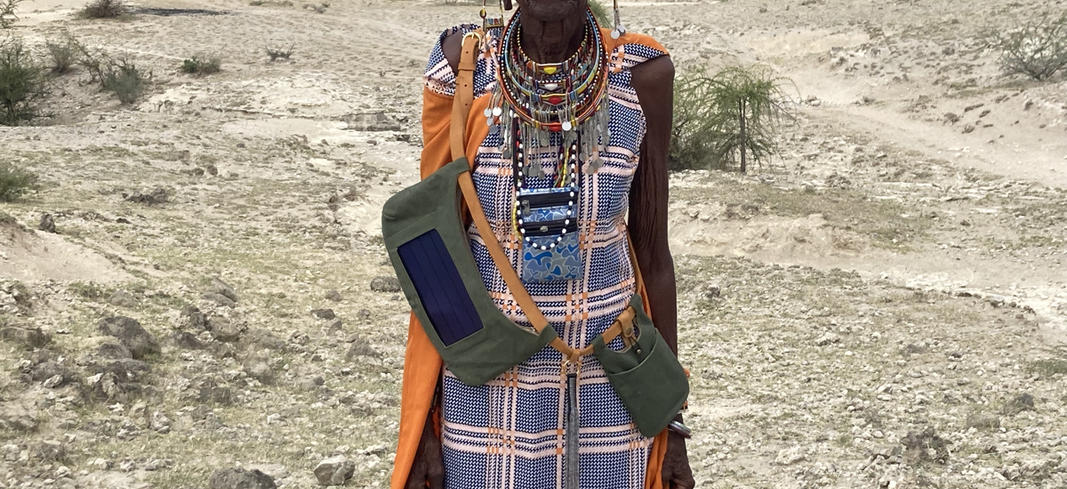
By the end of the week-long workshop, multiple designs were selected for implementation, ranging from wearable solutions to homestead-scale infrastructure. All designs reflect the cultural, aesthetic, and practical needs of the women and their families.
The Need
- Access to electricity, water, and sustainable cooking and heating methods remains limited in Olorgesailie.
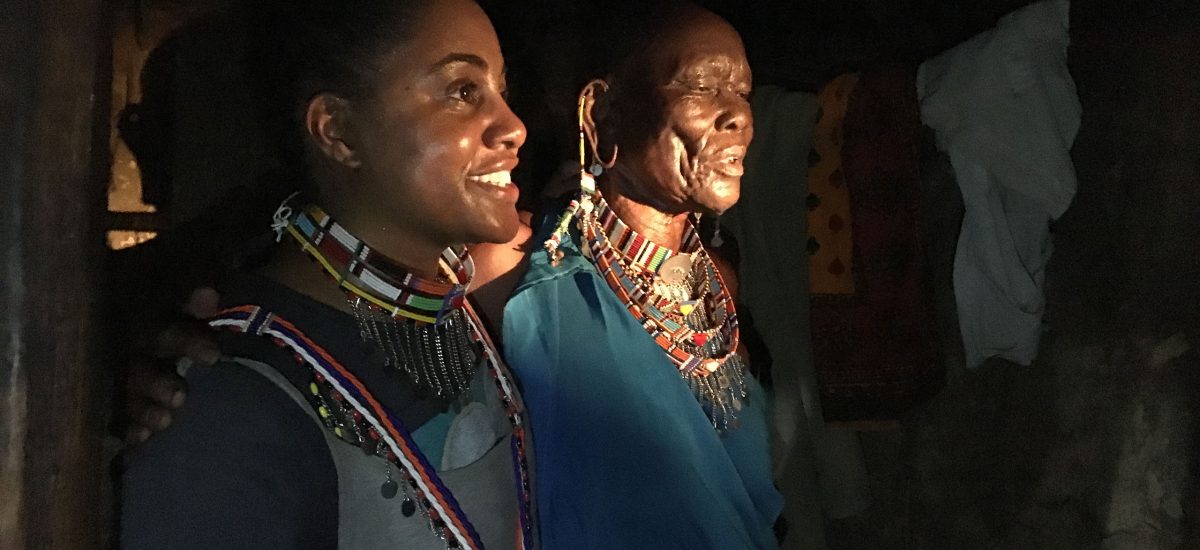
- Lack of lighting restricts evening learning and household activity.
- Cell phones—essential for communication with international partners—must be charged by walking long distances to grid-connected villages.
- Economic and social pressures on land and resources are increasing.
- Reliable access to energy supports education, communication, creative production, and income generation—placing Maasai women in a stronger position within the global economy.
The Goal
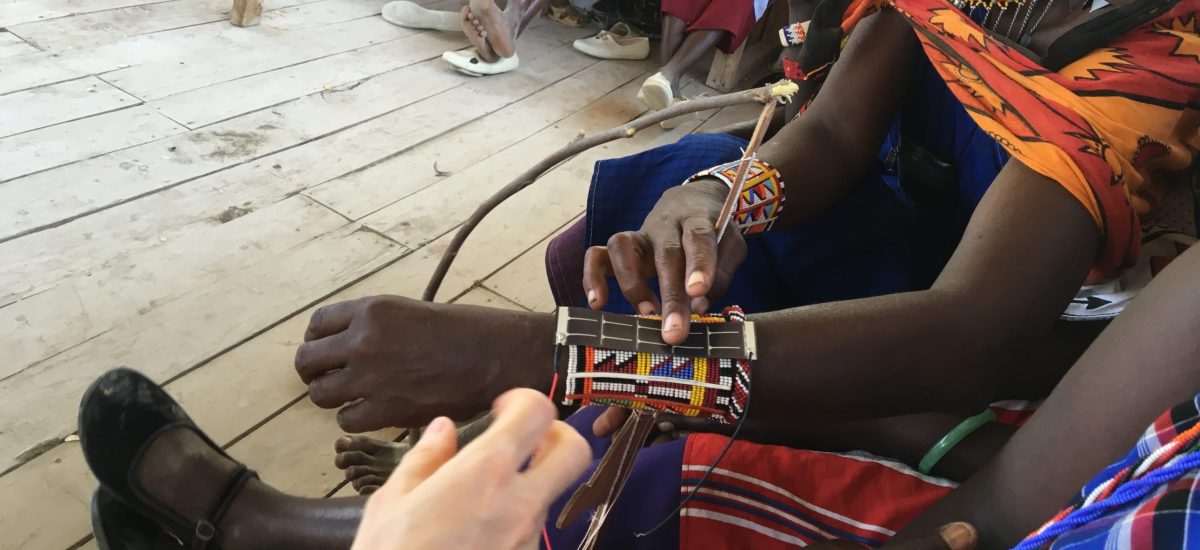
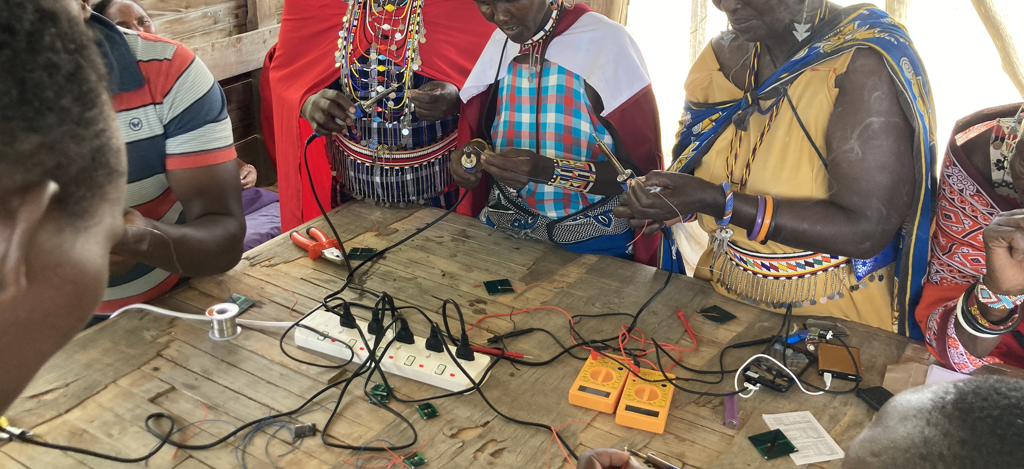
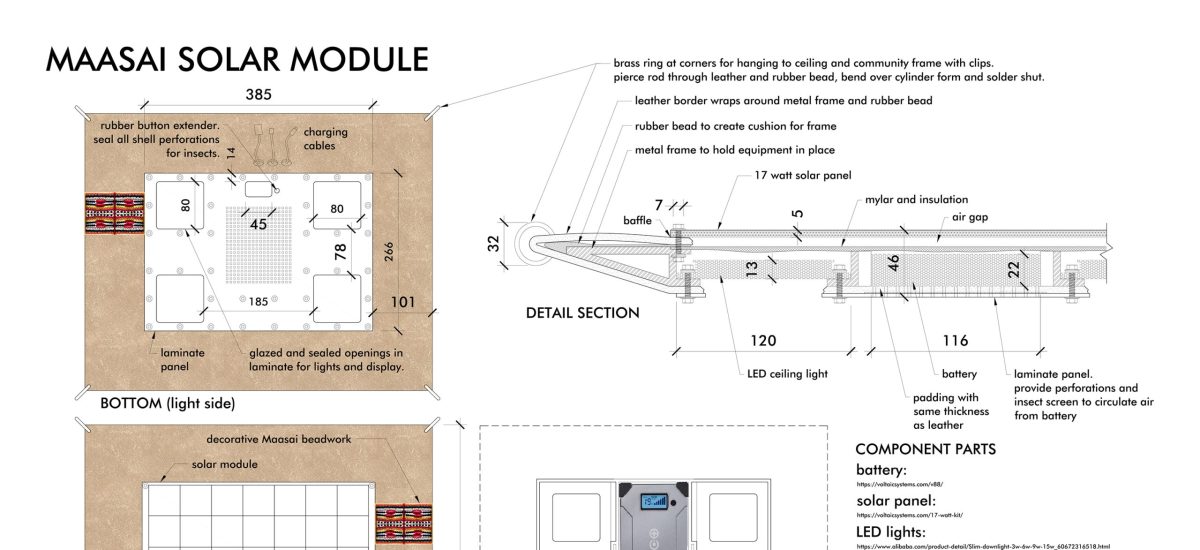
Using local materials combined with renewable energy technologies provided through the partnership, Maasai women are designing functional art objects that reflect their culture and vision for the future.
At scales ranging from approximately 100 Wp to 5 kWp, the collective installations will provide electricity for homes, freshwater pumping, and wearable solar power integrated into the Idia’Dega fashion collaboration. Some designs also explore solar cooking as part of the infrastructure.
This approach to rural electrification prioritizes long-term sustainability and economic agency. Designs developed and prototyped in Olorgesailie will be produced by Olorgesailie Maasai Women Artisans (OMWA) for a global market—creating ongoing income while building local technical and design capacity.
The Story
In 2015, Tereneh Mosley, founder of Idia’Dega, approached the Land Art Generator after years of collaborative work with the Olorgesailie Maasai Women Artisans in Kenya’s South Rift Valley.
While large-scale solar projects were beginning to appear in the region—designed to feed the national grid rather than serve local communities—OMWA identified modest electrification as a pressing need for security, education, communication, and creative enterprise.
Building on Idia’Dega’s collaborative design model, the Idia’Dega and Land Art Generator partnered with OMWA to co-design culturally relevant, off-grid solar infrastructure—placing Maasai women not only as users, but as lead designers of their own energy future.